This article contains affiliate links. If you book through them, I earn a small commission at no extra cost to you.
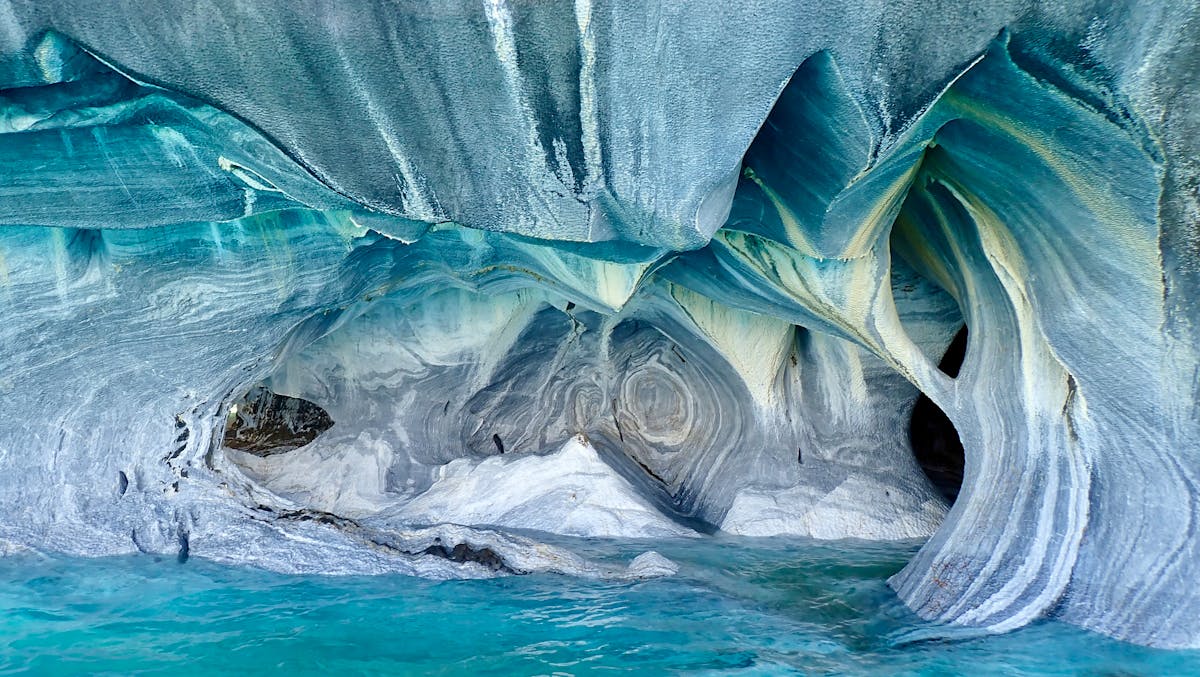
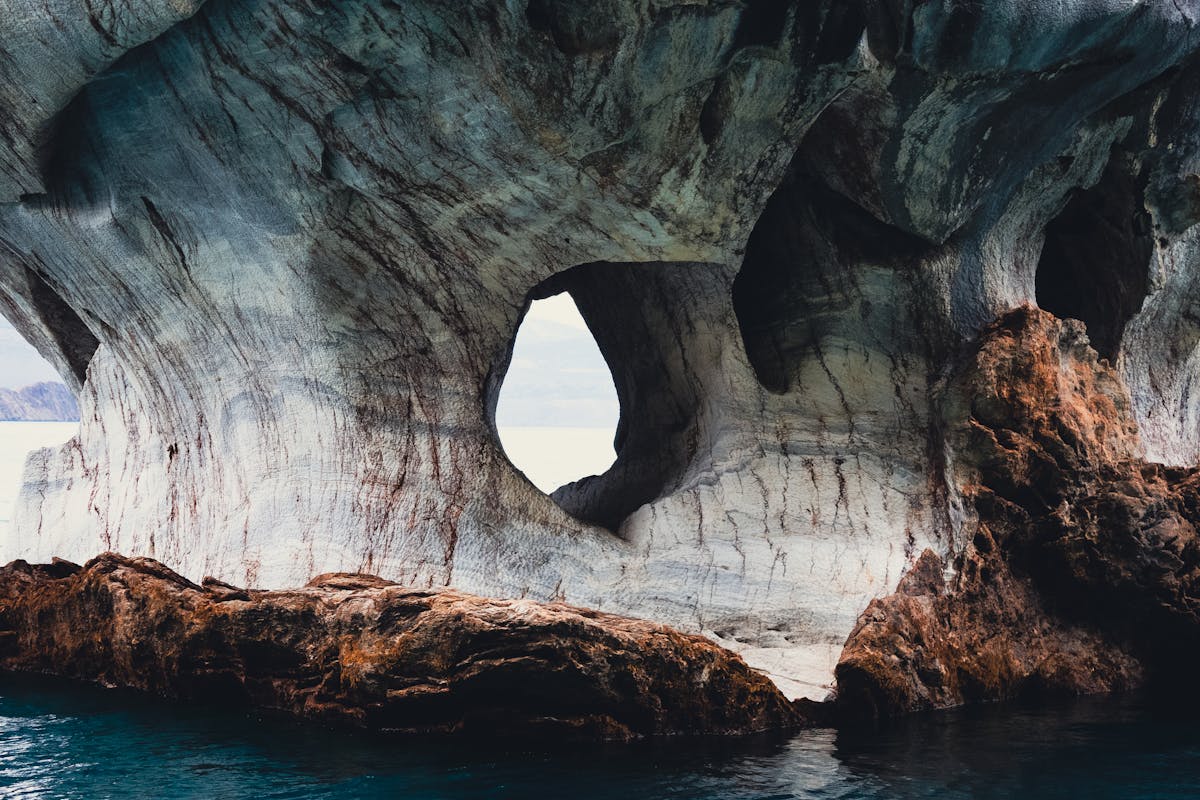
The boat nosed into the cave mouth and the world changed color. One second I was looking at grey rock and choppy water, the next the hull was gliding through a corridor of swirled marble and the lake beneath us had turned a blue so vivid it looked like someone had poured antifreeze into it. The walls were smooth, carved into curves and hollows by thousands of years of wave action, and the light bouncing off the water threw rippling turquoise reflections across the ceiling. Nobody on the boat was talking. The only sound was the outboard motor echoing off stone.
That was the good visit. I went twice. The first time, the sky was overcast and the wind was gusting hard enough that my tour got shortened to twenty minutes. The marble looked grey. The water looked grey. Everything looked grey. I stood on the dock back in Puerto Rio Tranquilo thinking: that is what people fly to Patagonia for?
So let me save you the same disappointment. The Marble Caves are one of the most photographed places in Chile, and they can be genuinely jaw-dropping — but only under the right conditions. Get it wrong and you have spent a lot of money and a lot of driving to look at wet rock. Here is how to get it right.
What the Marble Caves Actually Are
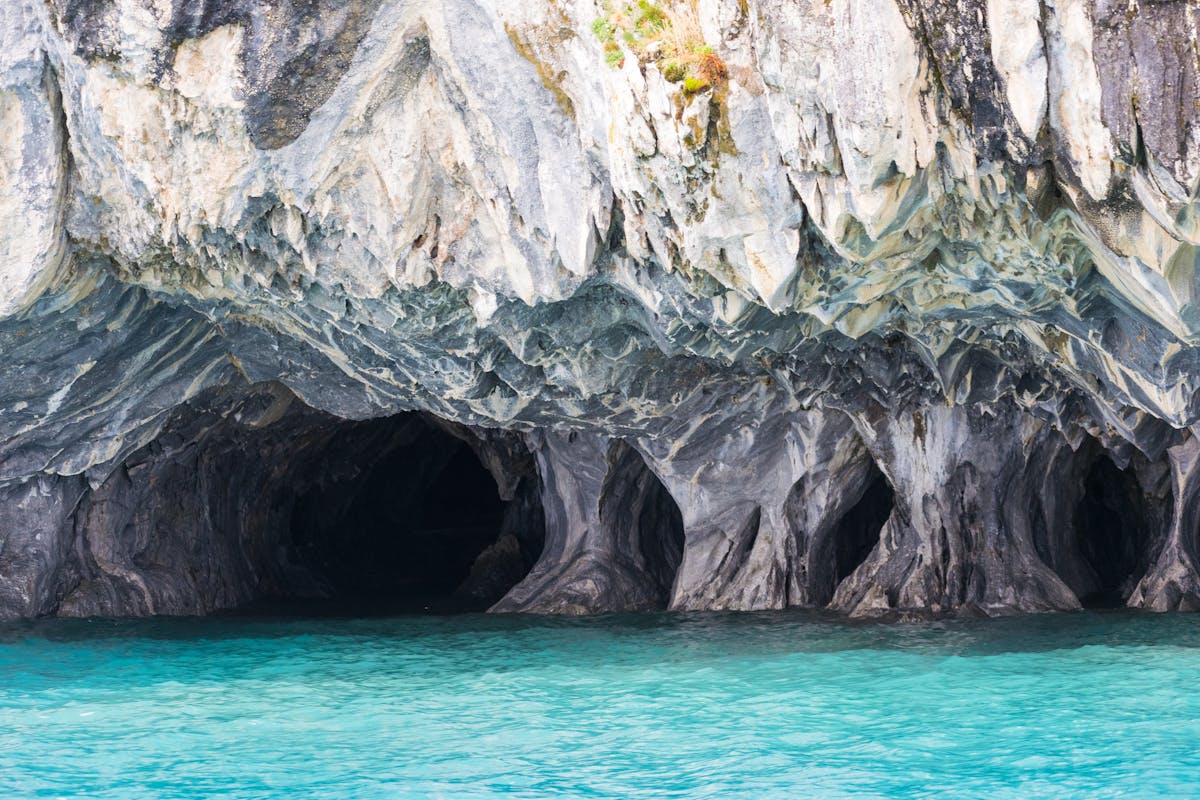
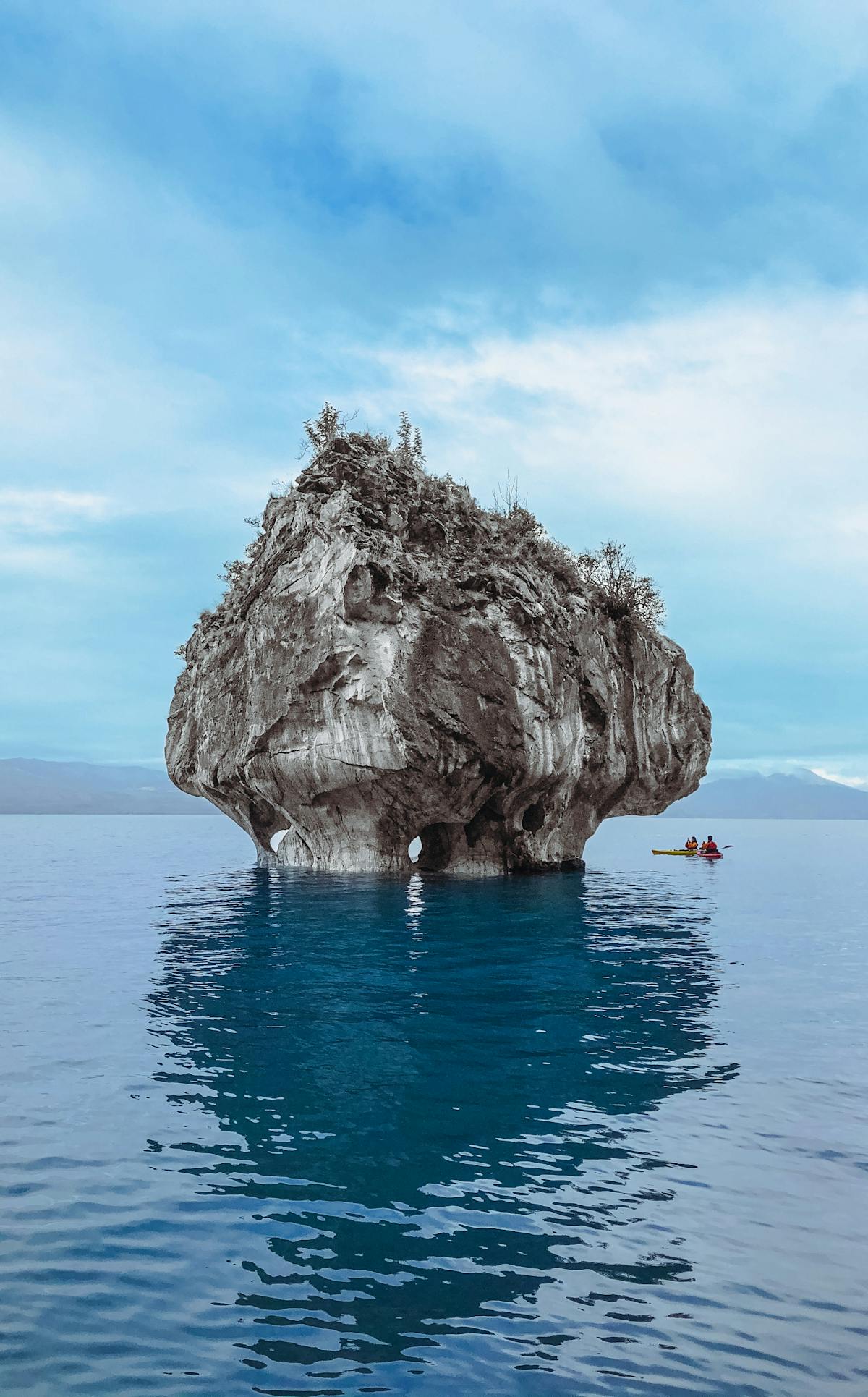
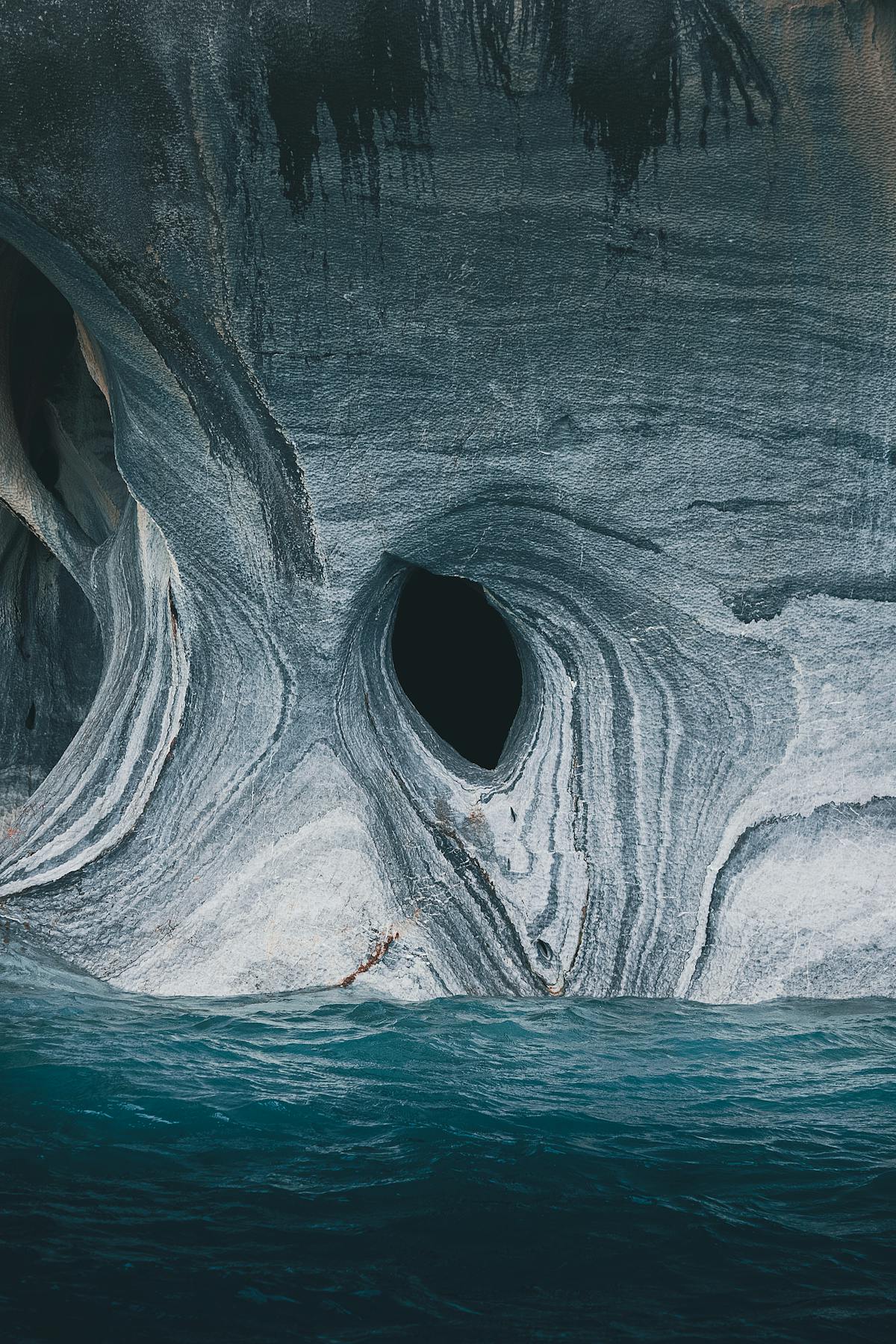
The Marble Caves sit on the western shore of Lago General Carrera, which is the second-largest lake in South America (after Titicaca). The lake straddles the Chile-Argentina border — on the Argentine side it is called Lago Buenos Aires. The formations are a series of marble peninsulas and small islands that have been eroded by the lake over roughly 6,000 years into smooth, sinuous shapes. Water has carved tunnels, overhangs, caverns, and pillars out of solid calcium carbonate.
There are three distinct formations that the boat tours visit, and guides use different names depending on who you ask. The main ones:
Catedral de Marmol (Marble Cathedral) — the largest formation. A big island of marble with a cave you can enter by boat. This is the one on every postcard. The interior is the most dramatic, with tall ceilings and the best light reflections.
Capilla de Marmol (Marble Chapel) — smaller, more delicate. The patterns in the rock are finer here, more swirled. Some tours skip this one if the water is rough.
Caverna de Marmol (Marble Cave) — the deepest cavern. Darker, more enclosed. On a calm day the boat goes all the way in and the acoustics are strange — your voice bounces around in ways that feel slightly unsettling.
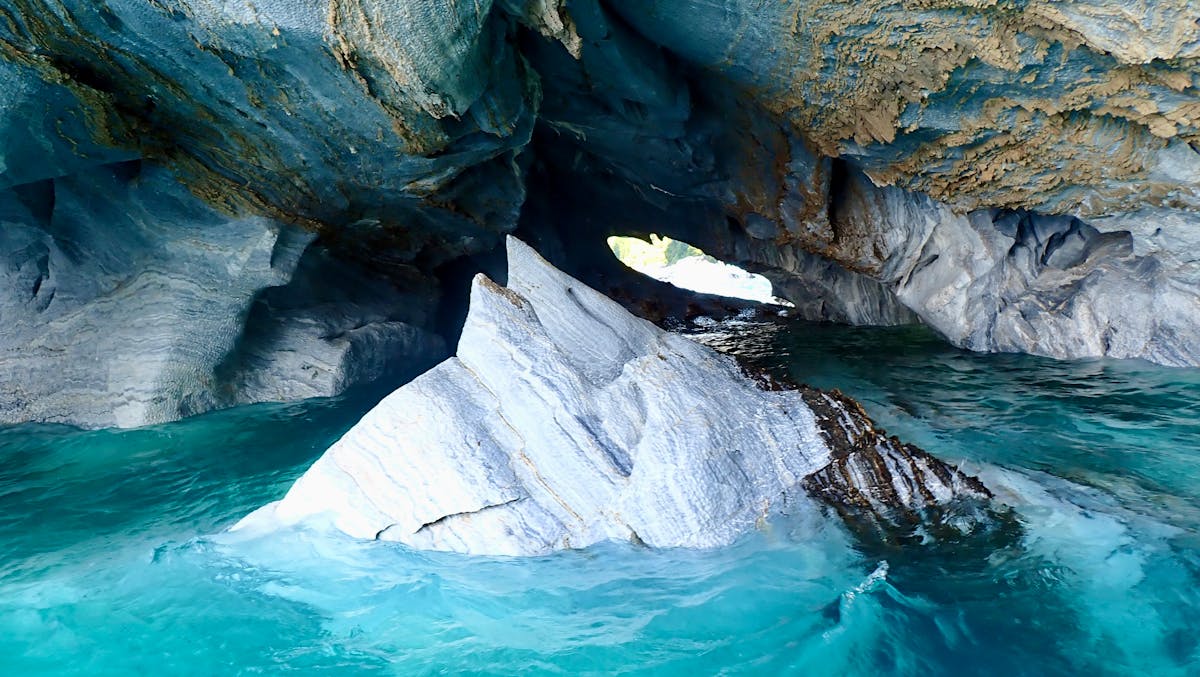
If I had to pick one, the Cathedral is the most impressive by a clear margin. It is the formation where the light effect is strongest and where the scale hits you. The Chapel is beautiful in a quieter way, but it does not have that same moment where your brain short-circuits trying to process the color. The Cave is atmospheric but dark. On most tours you visit all three, but if wind forces the guide to cut the trip short, the Cathedral is the one they prioritize. Rightly so.
Getting to Puerto Rio Tranquilo (It Takes a While)
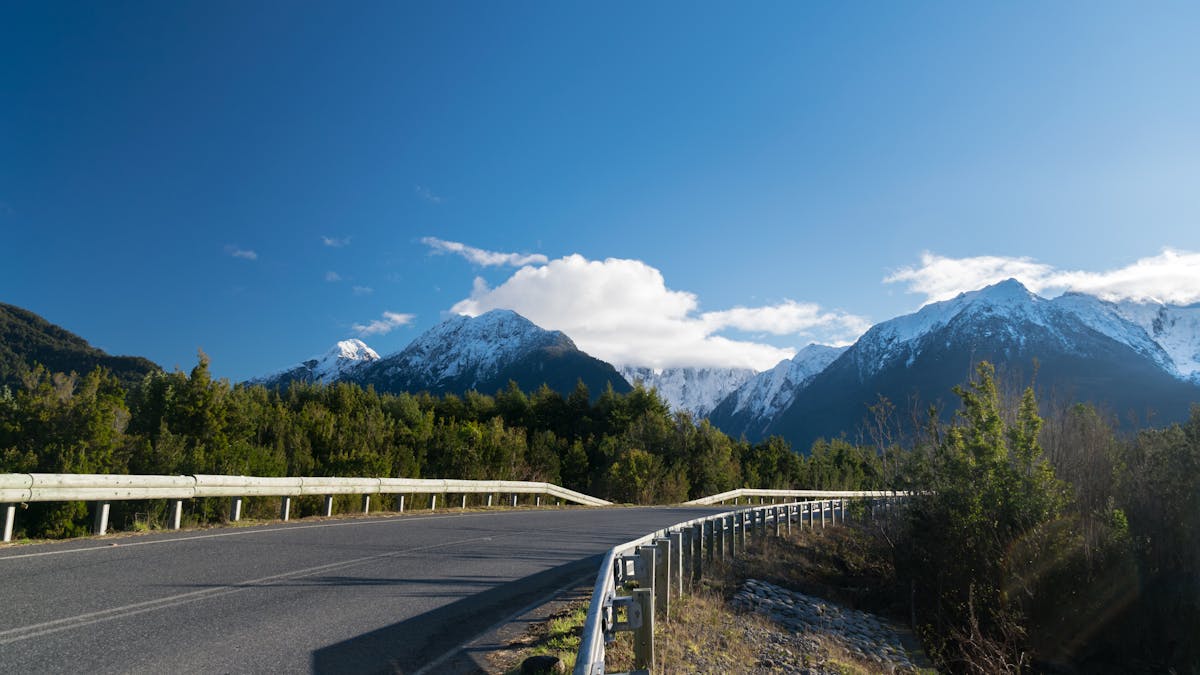
The caves are accessed from the town of Puerto Rio Tranquilo, which sits on the Carretera Austral about 220 kilometers south of Coyhaique. There is no quick way to get here. That is part of the deal.
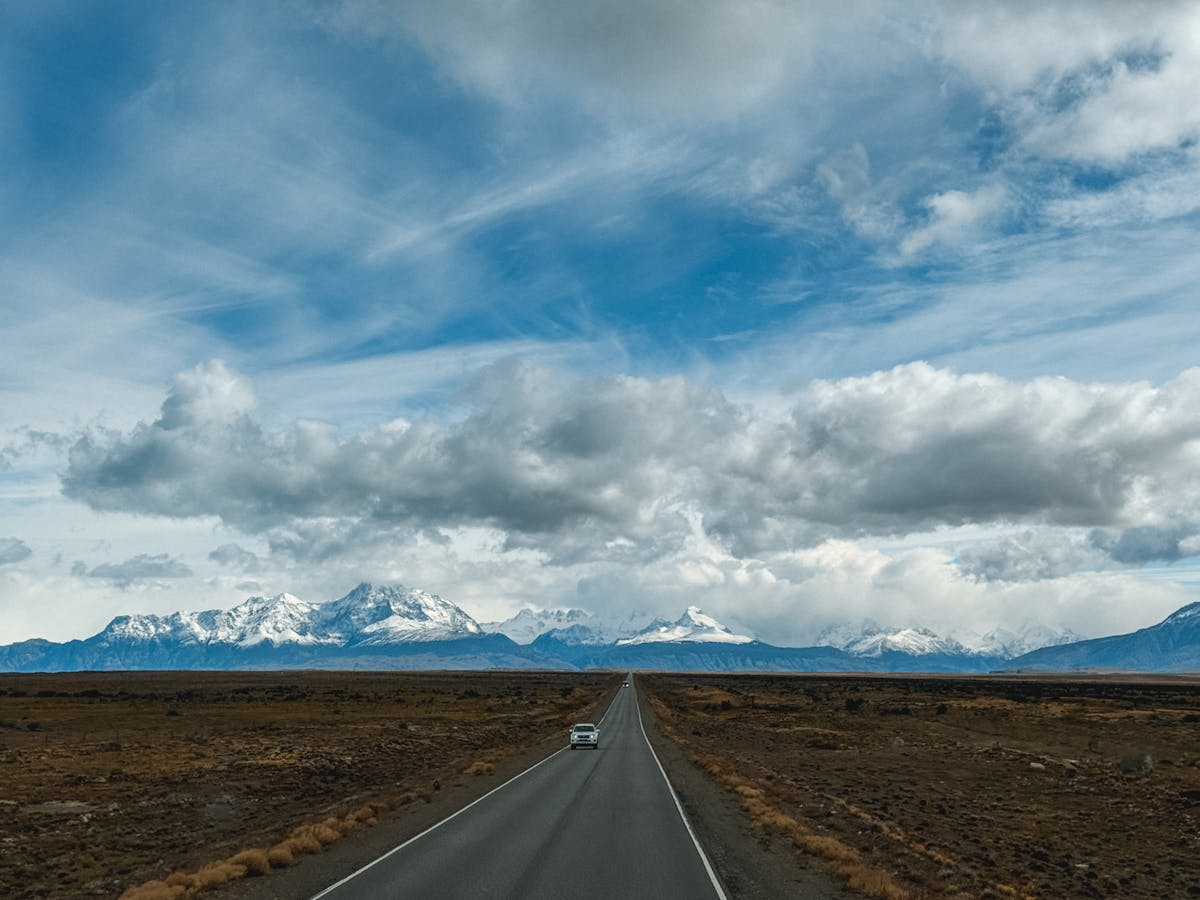
Fly to Balmaceda, drive south. Balmaceda is the nearest airport with LATAM flights from Santiago (2.5 hours). From there, drive to Coyhaique (15 minutes), then 3.5 hours south on the Carretera Austral — mostly gravel, mostly stunning. Rent a car in Coyhaique and book early for January.
Drive the Carretera Austral from the north. This is what I did. Puerto Rio Tranquilo sits roughly at the midpoint of the full Carretera Austral, so it slots naturally into a road trip through Patagonia. From Coyhaique heading south, 3-4 hours.
Bus. A few times per week from Coyhaique, not daily. The ride takes 4-5 hours and costs around 8,000-10,000 CLP. Check schedules locally — the information online is unreliable.
Quick Tip
Fill your tank in Coyhaique. There is a gas station in Puerto Rio Tranquilo but it has run out before, and the next reliable fuel south is in Cochrane, another 3 hours away.
The Boat Tours: Kayak vs. Motorboat (and Why I Changed My Mind)
Every tour departs from the small dock in Puerto Rio Tranquilo. You have two main options and I tried both.
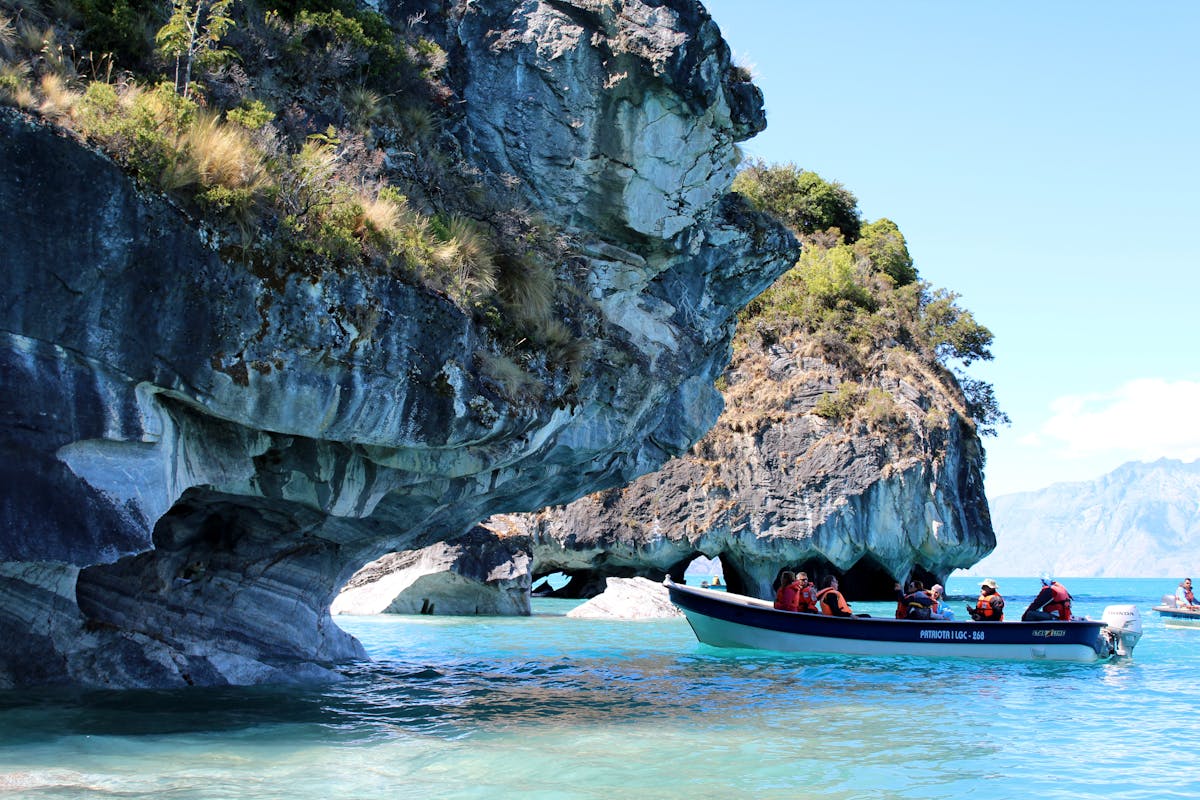
Motorboat tours last about 1-1.5 hours and cost 15,000-25,000 CLP per person (roughly $15-25 USD). You sit in a covered launch with 8-12 other people and the guide motors between the three formations. The boat enters the caves where water levels allow. It is efficient, you see everything, and you stay relatively dry. On my second visit — the sunny one — the motorboat was the right call. The guide knew exactly where to position the boat for the best light, cut the engine inside the Cathedral, and gave us five minutes of silence to just look at the reflections on the ceiling. That was the transcendent moment.
Kayak tours last 2-3 hours and cost 35,000-50,000 CLP per person. You paddle out to the formations in a tandem kayak with a guide leading the group. The idea is that you get closer to the rock, go at your own pace, experience it more intimately.
Here is my honest take: I thought I would prefer the kayak, and I was wrong. The paddle across the open lake is hard work when there is any wind, which there usually is. By the time I reached the caves my arms were burning and I was focused on not colliding with the rock wall, not admiring marble. You sit lower in a kayak, so the sense of scale inside the Cathedral is reduced. And you cannot stop paddling to take photos without drifting — I got three usable shots. On the motorboat I got fifty. Take the motorboat unless you are a strong paddler and the lake is dead calm.
When to Go: Chasing the Blue
This is the single most important section in this article. The Marble Caves are not a static attraction. Their entire appeal — the turquoise water, the blue reflections on the walls — depends on conditions that are completely outside your control. You can stack the odds in your favor, but you cannot guarantee it.
Three things need to align:
1. Water level. The turquoise color comes from glacial meltwater — fine rock flour suspended in the water that scatters light. As summer progresses (December through March), snowmelt raises the lake level and increases the sediment concentration. December through February is the sweet spot. In winter, the water looks dark blue or grey-green. Not the same.
2. Sunlight. The reflections on the cave walls require direct sun hitting the water at the right angle. Overcast kills it. Morning light is best, roughly 8am to noon. The caves face east-northeast, so early sun enters the openings directly. By afternoon, the formations are in their own shadow.
3. Calm water. When the lake is choppy, the reflections on the ceiling break apart and the water looks darker. When it is really windy, tours cancel entirely. I watched three consecutive tours get cancelled on my first afternoon in town.
The practical upshot: book a morning tour in January or February, and give yourself two days in Puerto Rio Tranquilo in case the first one gets weathered out. If you only have one shot, book the earliest tour of the day — 8am or 8:30am, depending on the operator. That gives you a backup if it cancels.
Quick Tip
Check when to visit Chile for broader seasonal guidance. For the Marble Caves specifically, mid-January through mid-February is the highest probability window for good conditions. But Patagonia weather is Patagonia weather — no guarantees.
Puerto Rio Tranquilo: The Town Itself
I need to set expectations. Puerto Rio Tranquilo is a tiny settlement. Maybe 500 permanent residents, a single main street, a handful of hostels, a couple of restaurants, a small supermarket that stocks the basics. It exists because of the Marble Caves and because it sits on the Carretera Austral. That is about it.
The setting is beautiful — lakeshore, mountain views, spectacular evening light. But if your tour gets cancelled and you are stuck for a day, your entertainment options are: walk around town (30 minutes), eat at one of three restaurants, or read in your hostel.
Accommodation is small hostels, cabanas, and rooms rented from private houses. No big hotels. I stayed at a basic but clean hostel on the main street for about 25,000 CLP a night. The bed was fine, the shower was hot, and the owner gave me a heads-up at 6am that the morning looked calm — which is how I ended up on the 8am motorboat that turned out to be the highlight of my trip. Book in advance for January and February. I met a couple who arrived without a reservation in late January and spent an hour going door to door.
Combining the Caves with a Carretera Austral Road Trip
The best way to visit the Marble Caves is as part of a longer drive on the Carretera Austral. Treating them as a standalone destination means a lot of travel for a one-hour boat ride. Folding them into a road trip means they become one incredible stop among many.
The pattern is simple: arrive the afternoon before, do the morning cave tour, keep driving. Coming from the north, stop at Cerro Castillo on the way down. Coming from the south (Cochrane or Caleta Tortel), the caves are your stop heading back up. Some travelers drive the full route south to Villa O'Higgins and back, which means you pass Puerto Rio Tranquilo twice — two chances at good weather.
If you are cycling the Carretera Austral, this is a natural rest day. I met several cyclists who planned it that way. For the broader Patagonia trip — combining the Carretera Austral with Torres del Paine and the Argentine side — I wrote a separate guide to driving Patagonia that covers the full picture.
Photography and What Can Go Wrong
A few things I learned the hard way. Bring a wide-angle lens or use your phone's ultra-wide mode — the Cathedral interior is bigger than you expect and you want walls, water, and ceiling in one frame. Keep your camera inside your jacket on the open crossing (you will get splashed) and pull it out inside the caves where the water calms down. Forget the tripod. The boat rocks. Fast shutter speed matters more than anything here.
And shoot the water, not just the rock. Everyone photographs the ceiling reflections, but looking down into that turquoise with the marble walls mirrored in it is an equally striking image.
Now the honest part. Patagonia is windy, and wind cancels tours. Even in summer, two or three days a week can blow hard enough to shut everything down. I talked to one traveler who waited three days and never got out on the water. Overcast days are disappointing — the caves without sunlight are still geologically interesting, the way a coral reef is interesting in grey light, but the magic is gone. And in very wet years, high water can close the cave entrances entirely. The drive to get here is long from anywhere, flat tires happen, cattle on the road happen. Build buffer into your schedule.
Costs and Practical Details
| Motorboat tour (1-1.5 hrs) | 15,000-25,000 CLP ($15-25) |
| Kayak tour (2-3 hrs) | 35,000-50,000 CLP ($35-50) |
| Hostel (private room) | 20,000-35,000 CLP/night |
| Hostel (dorm bed) | 12,000-18,000 CLP/night |
| Meal at a restaurant | 6,000-12,000 CLP |
| Gas (Coyhaique to PRT, round trip) | ~30,000-40,000 CLP |
| Car rental (per day, from Coyhaique) | 40,000-70,000 CLP |
Most tour operators in town take cash only. There is no ATM in Puerto Rio Tranquilo — the nearest is in Coyhaique or Chile Chico. Bring enough pesos to cover tours, meals, and accommodation. Some hostels take bank transfer but do not count on it.
Book tours in person. Operators line the waterfront with sandwich boards. Walking up to the dock at 7:30am works fine in shoulder season; book a day ahead in January/February. Every operator runs the same route at similar prices.
Is It Worth It?
Yes. With caveats.
On a clear morning in January, with the sun pouring into the Cathedral and the water glowing electric blue beneath the boat, the Marble Caves are one of the most visually stunning things I have experienced in South America. It is a place that makes you stop thinking and just look. That morning boat ride is seared into my memory in a way that very few travel moments are.
But if you show up on a grey, windy day and manage a shortened tour around the outside of the formations, you will wonder what the fuss is about. I know because I did exactly that. The Marble Caves are weather-dependent in a region famous for bad weather, and that is a tension you need to plan around.
Give yourself two days in town. Book the earliest morning tour. Come during peak summer. And if the conditions line up, you will understand why everyone who has been there on a good day talks about it the way they do. The boat goes quiet inside the Cathedral. Everyone just looks up. The light on the ceiling moves like something alive. You do not need anyone to tell you it is beautiful. You just know.