This article contains affiliate links. If you book through them, I earn a small commission at no extra cost to you.
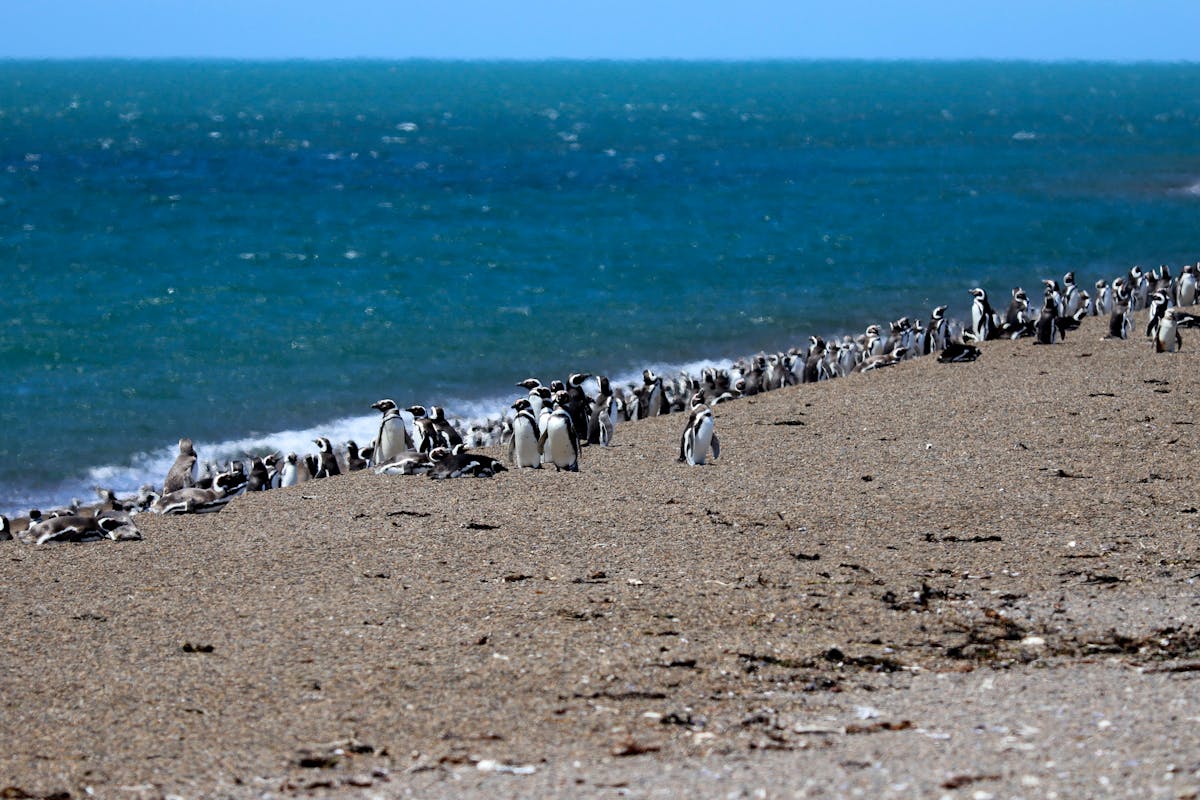
The first penguin walked right past my boots like I was a fencepost. No pause, no flinch, no acknowledgment that a grown adult was standing two feet away with a camera shaking in his hands. It just waddled past, chest out, heading for the water with the confidence of someone who owns the place. Which, in fairness, it does.
That was on Isla Magdalena, standing in the middle of 60,000 nesting Magellanic penguins while the wind coming off the Strait of Magellan nearly knocked me sideways. I have been back four times since then, and the thrill has not faded. There is something about an animal that has zero fear of you, zero interest in you, that resets your brain. You are not a tourist here. You are furniture.
Chile has more penguin-watching spots than most people realize. From Punta Arenas in the far south to the coastal desert north of La Serena, six colonies are accessible, covering three species. Some are bucket-list destinations. A couple are honestly skippable. I have ranked them all.
Isla Magdalena, Punta Arenas -- The One That Ruins You for All Others
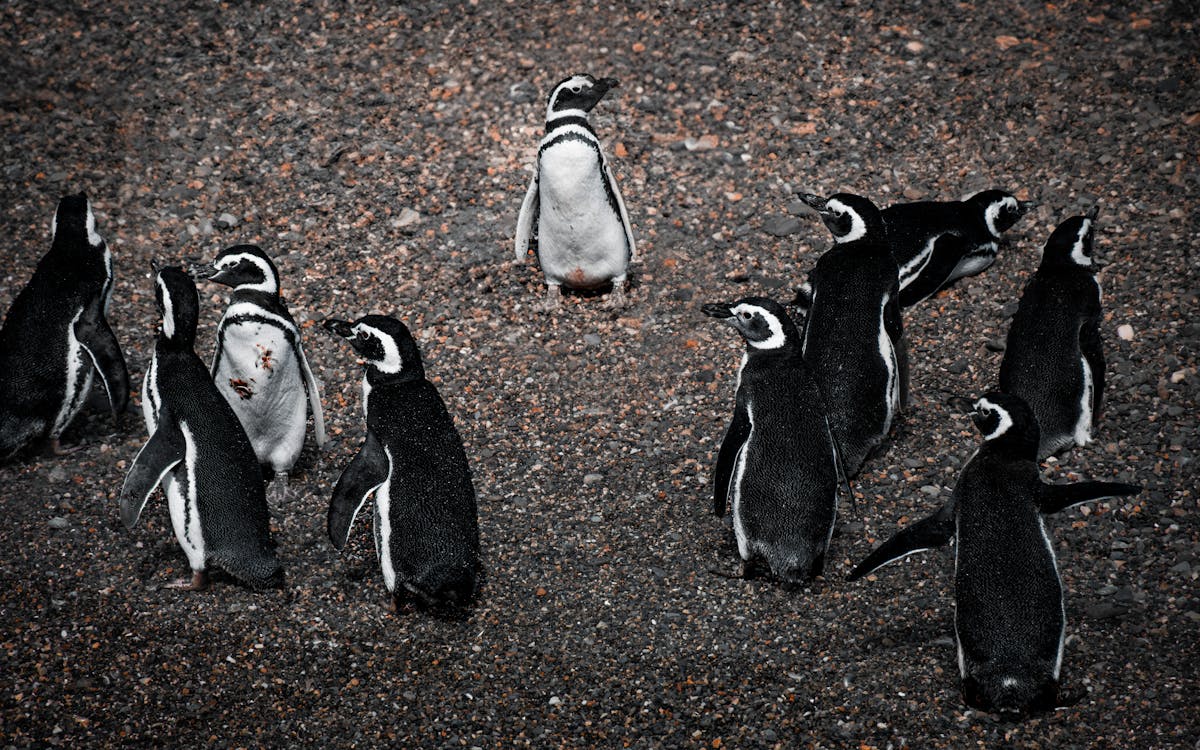
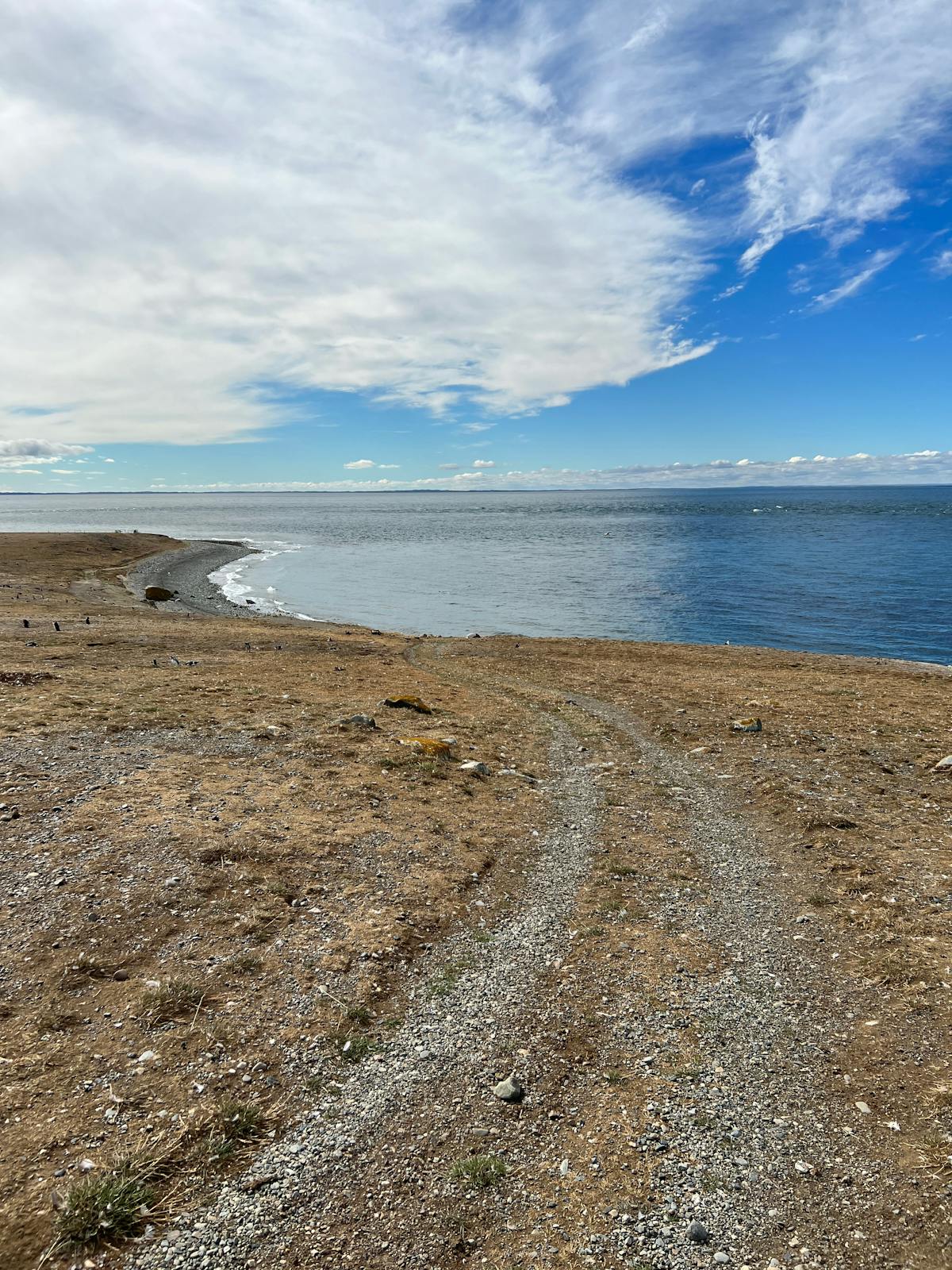
If you are going to see penguins in Chile, start here. Isla Magdalena sits in the middle of the Strait of Magellan, about two hours by boat from Punta Arenas, and it hosts the largest Magellanic penguin colony in Chile. Between October and March, somewhere around 60,000 breeding pairs crowd onto this tiny island, and visitors walk a roped-off path straight through the middle of the colony.
I say "roped off" loosely. The ropes keep you on the trail, but nobody told the penguins about the ropes. They cross the path constantly, waddle between your legs if you stand still long enough, and nest in burrows so close to the trail that you can hear the chicks calling from underground. The sheer volume of life on this island is staggering. Penguins in every direction, from the boat landing to the old lighthouse at the top of the hill, packed shoulder to shoulder in places, braying and squabbling and preening.
The boat ride itself is part of the experience. The Strait of Magellan is not gentle water. On my first crossing, half the passengers on the upper deck retreated below within twenty minutes. I stayed topside and watched Commerson's dolphins riding the bow wave. On the return trip, the sunset over the strait turned the sky copper. Bring a windbreaker and something for your stomach if you get seasick.
Quick Tip
Book the afternoon departure if it is available. The light is better for photos, the morning crowds are gone, and the sunset on the return crossing is extraordinary. Most tour operators in Punta Arenas offer both morning and afternoon sailings from December through February.
The Details
| Species | Magellanic penguin |
| Colony size | ~60,000 breeding pairs |
| Season | October to March (peak: December-January) |
| How to get there | 2-hour boat from Punta Arenas (Turismo Comapa or Solo Expediciones) |
| Cost | CLP $75,000-95,000 (~$80-100 USD) including park fee |
| Time on island | About 1 hour |
| How close | Penguins cross within arm's reach on the trail |
If your Patagonia itinerary passes through Punta Arenas at any point between November and February, this is non-negotiable. Book it.
Seno Otway -- The Backup Plan That Still Delivers
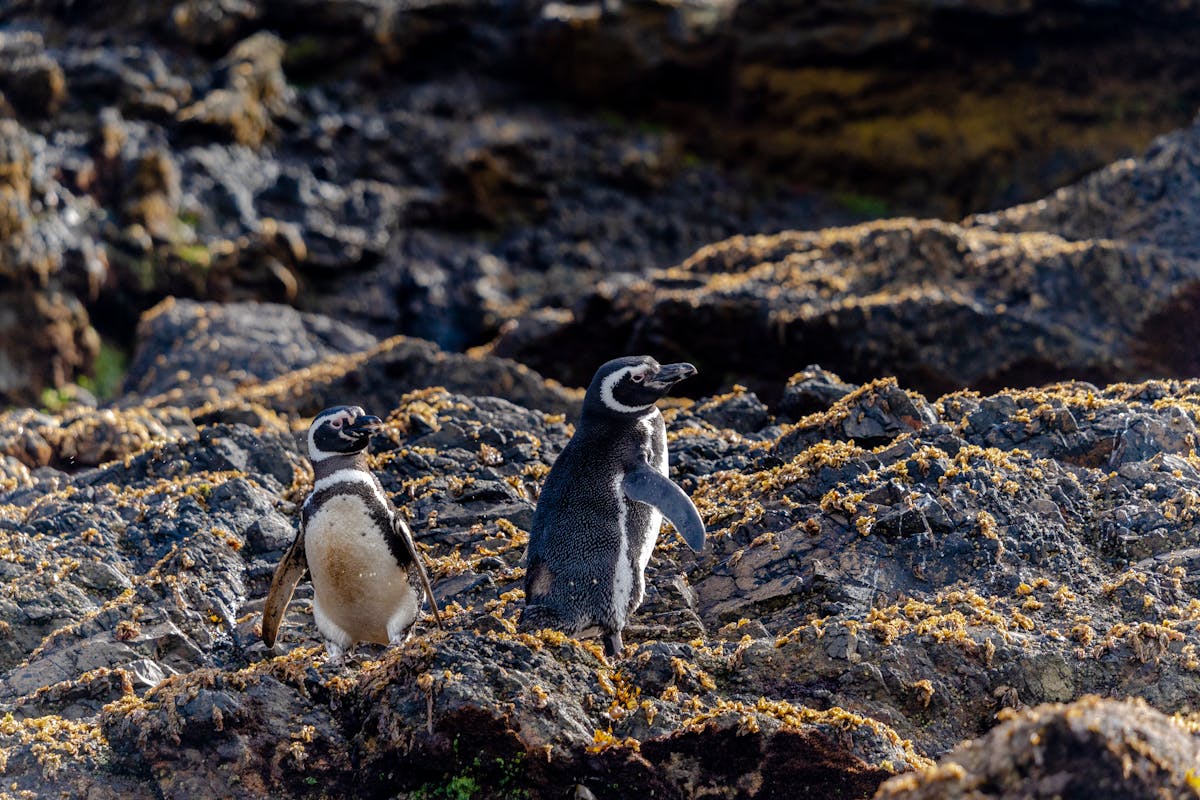
Seno Otway is the colony most people visit when the weather cancels the Magdalena boat trip. And the weather cancels the Magdalena boat trip more often than you would think. The strait gets rough, the wind picks up, and suddenly your tour operator is calling your hotel at 6am to say the crossing is off. When that happens, Otway is the fallback.
But calling it a backup sells it short. Otway is a different experience, not a lesser one. The colony is smaller -- around 5,000 breeding pairs -- and it sits on a scrubby headland about an hour's drive from Punta Arenas. You walk a boardwalk loop through the nesting area, and because there are fewer penguins and fewer visitors, the whole thing feels more personal. I spent forty minutes watching a single pair take turns incubating their egg, trading places with this careful choreography that made me forget anyone else was there.
The drive from Punta Arenas is flat and wind-blasted, passing through sheep estancias. Not scenic in the traditional sense, but very Patagonia. You can drive yourself or book a half-day tour (about CLP $35,000-45,000).
The Details
| Species | Magellanic penguin |
| Colony size | ~5,000 breeding pairs |
| Season | October to March |
| How to get there | 1-hour drive from Punta Arenas (self-drive or tour) |
| Cost | CLP $8,000 park entry (~$9 USD) + transport |
| Time on site | About 1 hour |
| How close | 3-5 meters from the boardwalk, occasionally closer |
My honest take: if you can do Magdalena, do Magdalena. If the weather kills the boat, Otway is a solid consolation that still puts you face-to-face with Magellanic penguins. If you have time, do both. They are different enough to justify it.
Parque Pingüino Rey, Tierra del Fuego -- The King Penguins You Did Not Know Existed Here
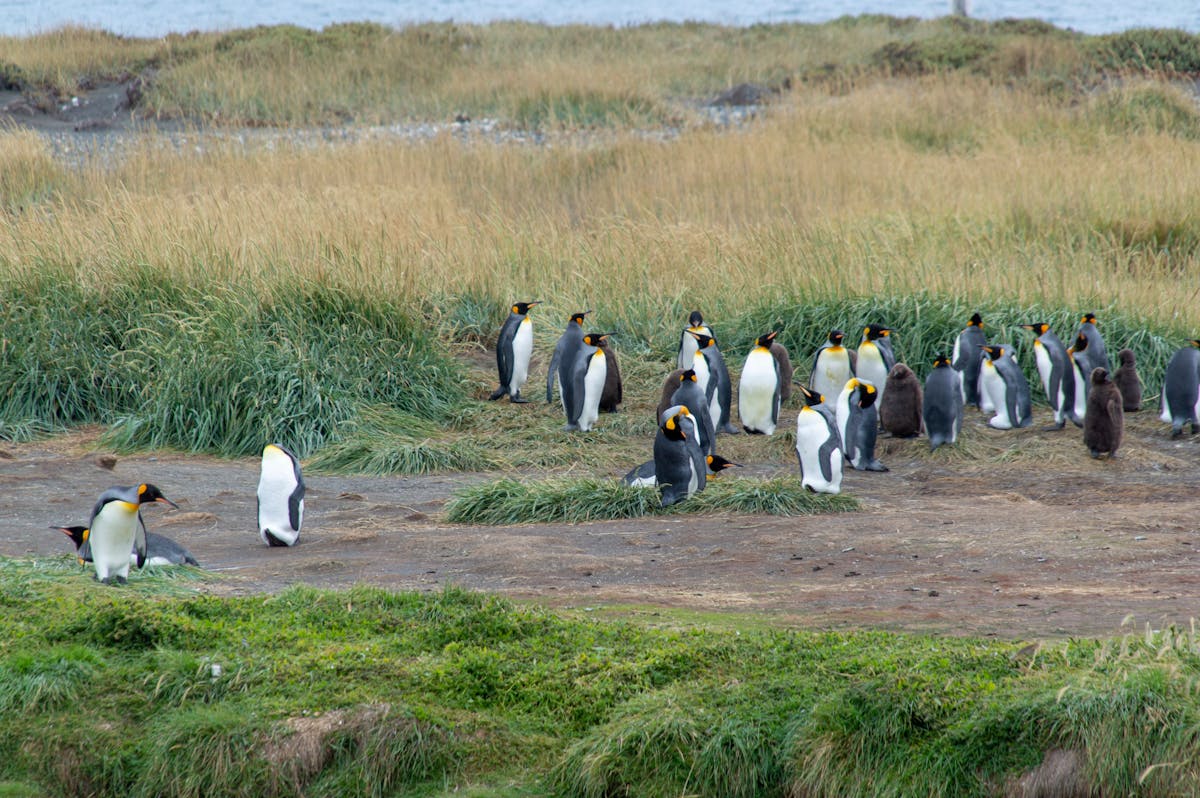
This one caught me completely off guard. I knew about Magellanic penguins in Chile. I did not know there were King penguins -- the tall, regal ones with the orange throat patches that you associate with Antarctica and South Georgia -- living on Tierra del Fuego. This is the only King penguin colony on mainland South America, and seeing them waddle around a windswept bay on the Chilean side of the island was one of the most surreal wildlife moments I have had anywhere.
The colony is small -- around 100-150 birds at Bahia Inutil near Porvenir. The park was established after the penguins showed up on their own in the early 2010s. Getting there requires a car ferry from Punta Arenas to Porvenir (about 2.5 hours), then an hour south on gravel that rattles your teeth.
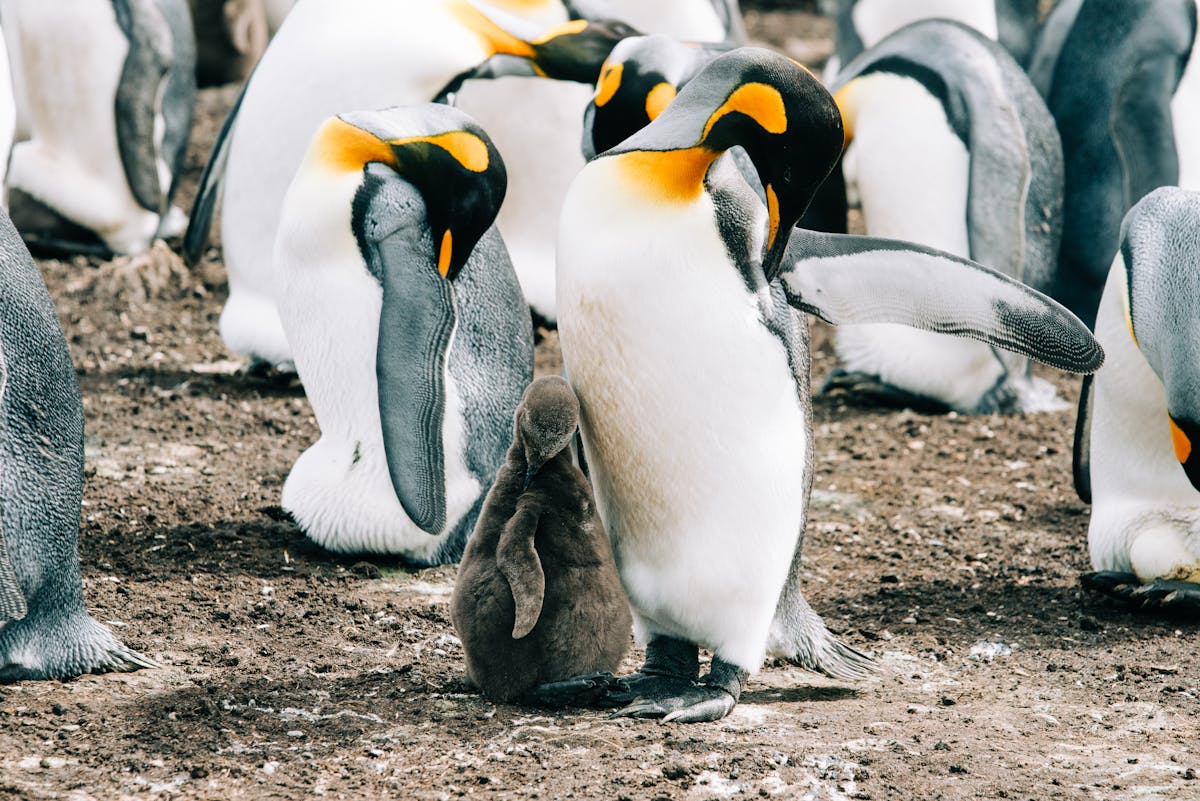
You view the penguins from a hide about 50 meters away. Binoculars help. You are not walking among them like at Magdalena -- this is a conservation-first operation, and the distance is enforced to protect a colony that is still establishing itself. But even from the hide, seeing those unmistakable orange throat patches glowing against the grey Fuegian sky is worth the long drive.
The whole Tierra del Fuego detour adds at least a full day to a Patagonia trip, realistically two with ferry schedules. Is it worth it for 100 penguins viewed from 50 meters? For me, an immediate yes. The rarity of the experience made the distance feel like nothing.
The Details
| Species | King penguin |
| Colony size | ~100-150 birds |
| Season | Year-round (best November-March) |
| How to get there | Ferry Punta Arenas-Porvenir (2.5h) + 1h drive south |
| Cost | CLP $12,000 park entry (~$13 USD) + ferry + car rental |
| Time on site | 30-60 minutes at the viewing hide |
| How close | ~50 meters from a viewing hide (bring binoculars) |
Punihuil, Chiloe Island -- Two Species on One Boat
Chiloe Island is already one of Chile's most underrated destinations -- wooden churches, palafito houses, curanto cooked in the ground, fog that wraps everything in this moody green filter. The penguins at Punihuil are the wildlife bonus that most visitors do not expect.
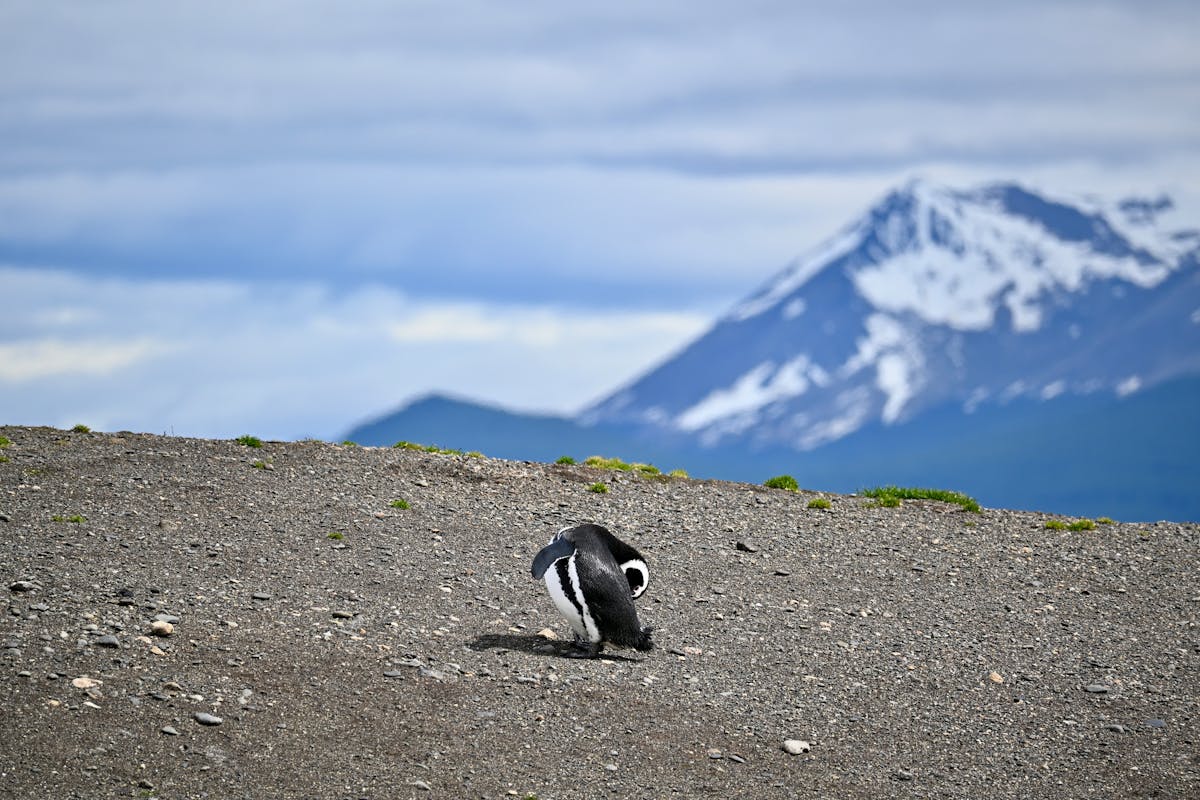
The setup is unusual. Two small rocky islands just offshore from the village of Punihuil host nesting colonies of both Magellanic and Humboldt penguins. This is one of the only places in the world where the two species nest in the same location. You visit by small boat -- the launches hold about ten people and spend 20-30 minutes circling the islands. You do not land. The boats stay about 10-15 meters from shore, which is close enough to watch the penguins going about their business on the rocks and waddling in and out of the water.
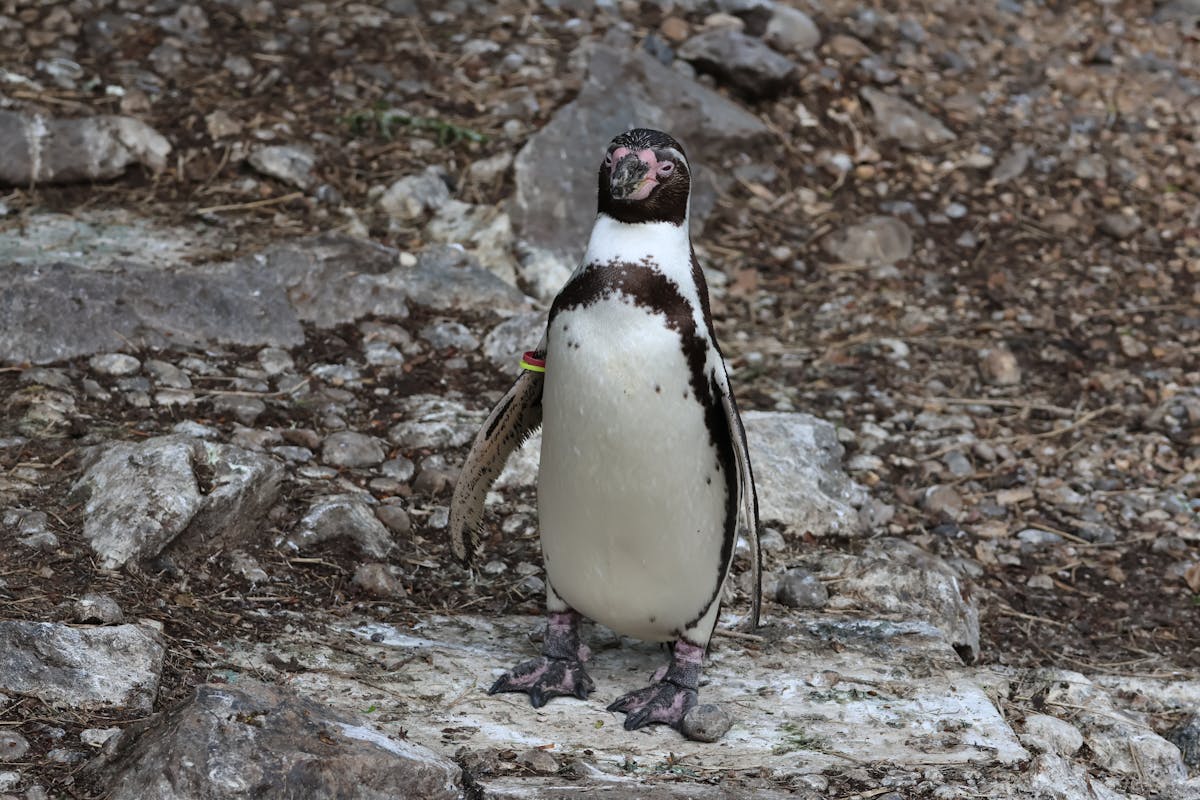
Compared to Magdalena, the experience is more distant and shorter. You are on a boat, not on foot. But seeing two penguin species together in one frame is genuinely special. I went in January and the Humboldts were easy to pick out by their pink skin patches at the base of the bill.
The drive from Ancud takes about 45 minutes on gravel. Boats leave when they fill, so arrive early. The boats are open, the water is cold, and the wind on Chiloe's Pacific coast is relentless.
The Details
| Species | Magellanic + Humboldt penguin (nesting together) |
| Colony size | ~2,000 birds combined |
| Season | September to March |
| How to get there | 45 min drive from Ancud, Chiloe Island |
| Cost | CLP $8,000-10,000 boat trip (~$9-11 USD) |
| Time on water | 20-30 minutes |
| How close | 10-15 meters from the boat (no landing) |
Worth the detour if you are already on Chiloe. Not worth a special trip just for the penguins. But combine it with the churches, the food, and the misty forests, and you have one of the best two-day side trips in Chile.
Pan de Azucar National Park -- Penguins in the Desert
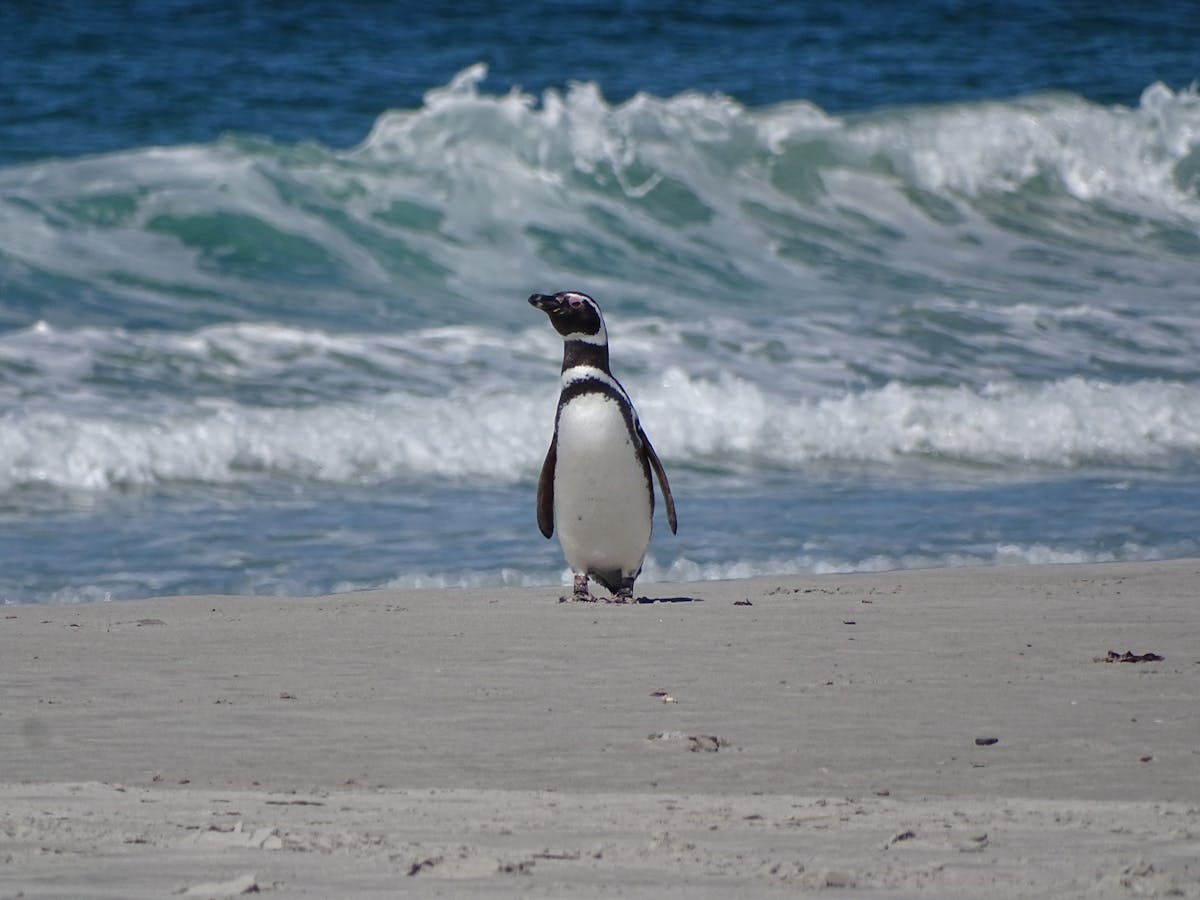
This is the weird one. Pan de Azucar sits on the coast between Copiapo and Chanaral in northern Chile, where the Atacama Desert meets the Pacific Ocean. The landscape is Mars with a beach. Red cliffs, zero vegetation, bone-dry air, and then you look at the island offshore and there are Humboldt penguins standing on the rocks. The contrast breaks your brain a little.
The Humboldt penguin is the species that lives along Chile's northern coast, thriving in the cold Humboldt Current that pushes nutrient-rich water up from Antarctica. They are smaller than Magellanics, with a single dark chest band instead of two, and they have this distinctive pink patch of bare skin at the base of the bill that flushes brighter when they are warm.
You visit the penguin colony by boat from the small fishing village of Caleta Pan de Azucar. The boats circle Isla Pan de Azucar, where a few hundred Humboldt penguins share space with pelicans, cormorants, sea lions, and the occasional marine otter. It is a full marine wildlife experience, not just penguins. The boat trips are informal -- you show up, find a fisherman willing to take you out, negotiate a price (usually CLP $10,000-15,000 per person), and go. No fixed schedule, no online booking.
The park itself is worth visiting even without the penguins. The camanchaca -- the coastal fog that rolls in off the Pacific every morning -- creates this eerie atmosphere where the desert meets the sea. I camped one night and woke up to fog so thick I could not see the ocean fifty meters away. By 10am it had burned off completely.
The Details
| Species | Humboldt penguin |
| Colony size | ~200-300 birds |
| Season | Year-round (best October-March) |
| How to get there | Drive from Copiapo (2h) or Chanaral (30 min) |
| Cost | CLP $5,000 park entry + CLP $10,000-15,000 boat trip |
| Time on water | 30-45 minutes |
| How close | 15-20 meters from the boat (no landing) |
Only worth it if you are already driving the northern coast or specifically want the surreal experience of desert penguins. The colony is small, the visit is short, and the detour from any main route is significant. But if "penguin colony in the Atacama Desert" sounds like your kind of thing, you already know you are going.
Isla Chanaral and Reserva Nacional Pinguino de Humboldt -- Near La Serena
The Reserva Nacional Pinguino de Humboldt is a cluster of three islands -- Chanaral, Choros, and Damas -- about 120 km north of La Serena. It is the most accessible Humboldt penguin colony for anyone traveling Chile's norte chico region, and the boat trip to reach the islands also passes through waters frequented by bottlenose dolphins and, during the right season, fin whales.
Most visitors launch from the tiny fishing village of Punta de Choros. The standard tour circles Isla Choros (where most of the penguins are) and lands briefly on Isla Damas, where you can walk a short trail along a beach that looks Caribbean -- turquoise water, white sand -- except for the penguins swimming past. Nothing about it makes sense on paper and everything about it works.
I visited in December on a day with no wind, which the boat captain told me happens about twice a month. The sea was glass. We saw maybe forty Humboldt penguins on the rocks at Choros, plus bottlenose dolphins that followed the boat for ten minutes. On rougher days, the penguins stay in the water and the boat ride is less pleasant.
The drive from La Serena takes about two hours. You can combine it with the observatories near Vicuna for an astronomy-and-wildlife double feature.
The Details
| Species | Humboldt penguin |
| Colony size | ~2,000-3,000 birds across three islands |
| Season | Year-round (best September-March) |
| How to get there | 2h drive from La Serena, boats from Punta de Choros |
| Cost | CLP $15,000-20,000 boat trip (~$16-22 USD) + park fee |
| Time on water/island | 2-3 hours total (boat + Isla Damas landing) |
| How close | 10-15 meters from the boat, closer on Isla Damas beach |
My Rankings, Honest and Final
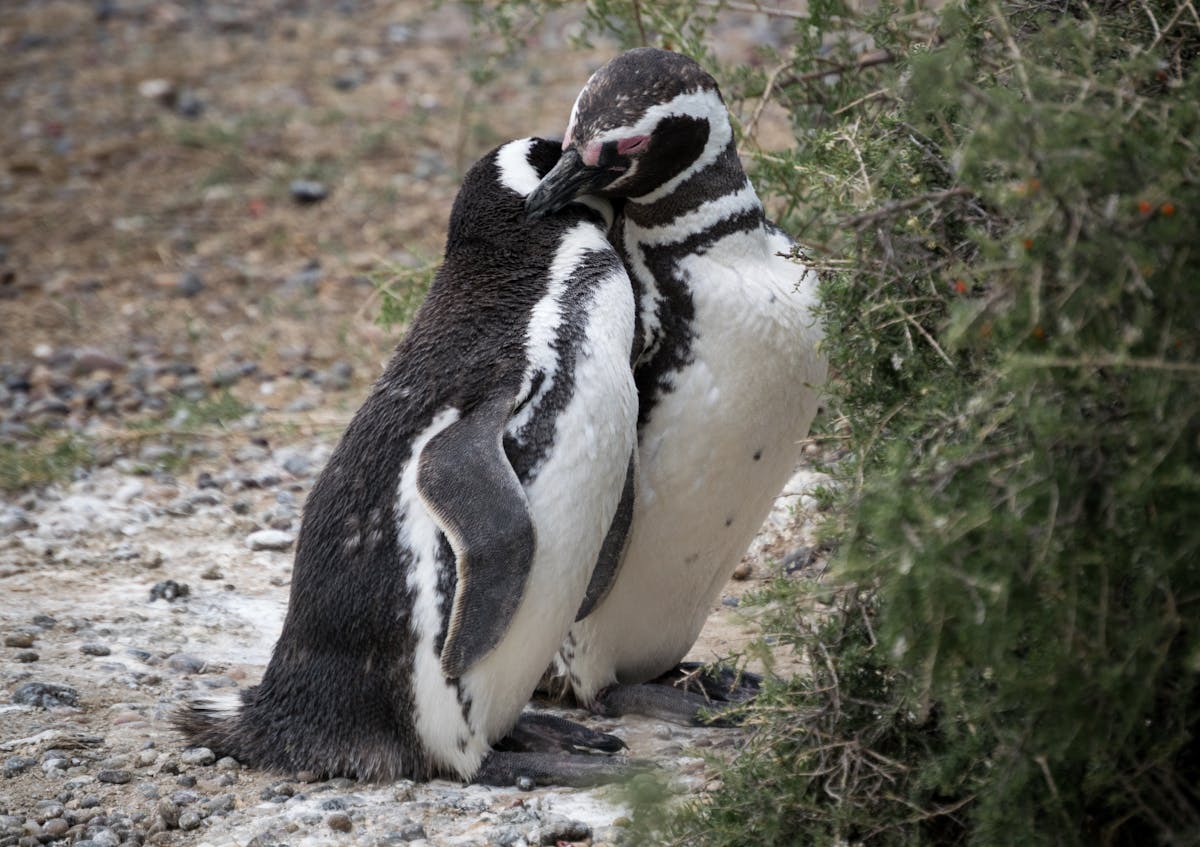
After visiting all six colonies, here is how I rank them -- based on the penguins, the scenery, the accessibility, and whether I would go back.
1. Isla Magdalena, Punta Arenas. Nothing else comes close. Walking through 60,000 nesting pairs while penguins cross your path does not exist in many places on earth. This is the one I tell everyone to prioritize.
2. Parque Pinguino Rey, Tierra del Fuego. Smallest colony but rarest experience. King penguins on mainland South America. The remoteness and the ferry crossing make it feel like a proper expedition.
3. Isla Chanaral / Punta de Choros. Best all-around marine wildlife outing. Penguins, dolphins, sea lions, absurd turquoise water. Reasonably accessible from La Serena.
4. Punihuil, Chiloe. Two species nesting together is genuinely unique. If you are already on Chiloe (and you should be -- read the Chiloe guide), easy add.
5. Seno Otway, Punta Arenas. A solid Magellanic colony that suffers only by comparison to Magdalena. Good fallback when the boat is cancelled.
6. Pan de Azucar. Visually surreal -- penguins against red desert cliffs -- but small, short, and remote. Only for completionists or those already exploring the northern coast.
When to Go and What to Know
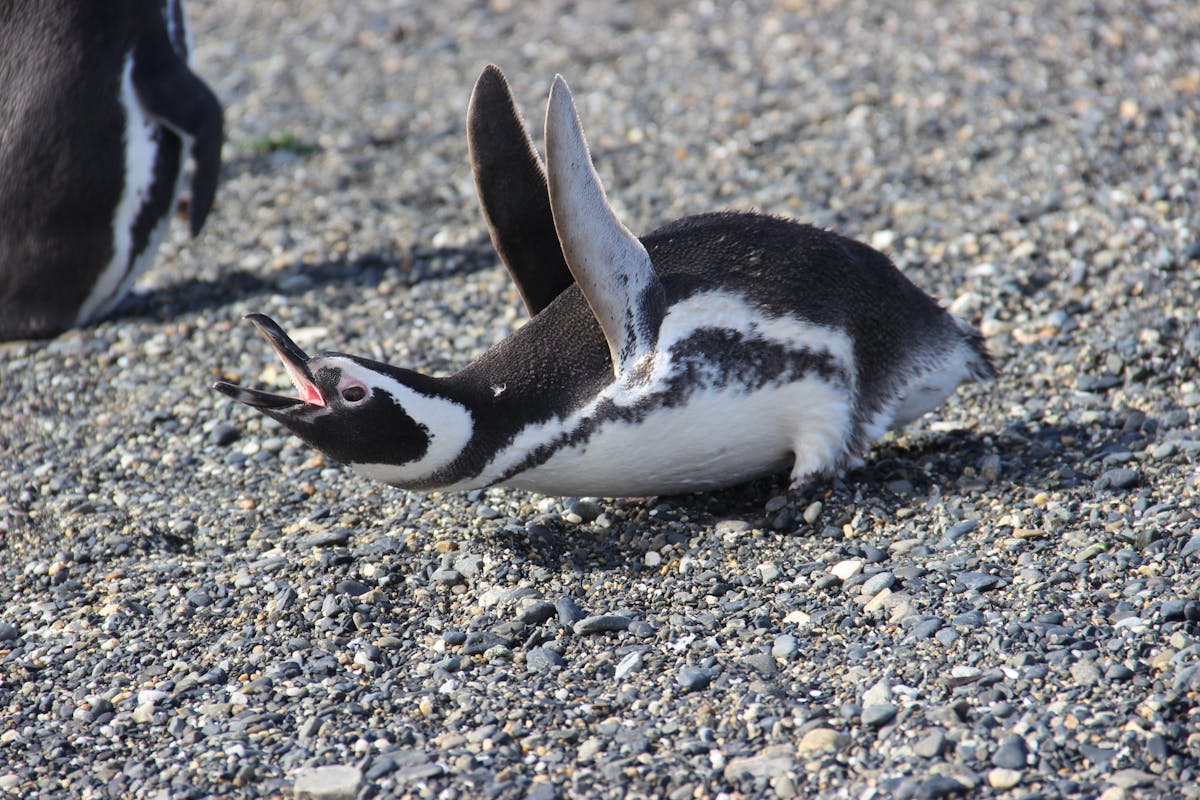
The penguin season in Chile runs from October through March, which lines up neatly with the austral summer. Within that window, December and January are peak months -- the most penguins, the most chicks, the most activity. I have visited in November (early season, penguins on eggs, fewer chicks) and January (peak chaos, chicks everywhere, maximum noise) and January is the better experience by a wide margin.
For the best timing advice for your trip overall, check our when to visit Chile guide. The penguin season overlaps with the best weather window for Patagonia, so most itineraries that include Torres del Paine or the Carretera Austral will naturally hit penguin season too.
Practical Notes for All Colonies
Binoculars. Essential for the viewing-hide and boat-based colonies (King penguins, Pan de Azucar, Punihuil, Isla Chanaral). Less critical at Magdalena and Otway where you are walking among them, but still useful for watching behavior from a distance.
Cameras. A telephoto lens helps at the more distant colonies. At Magdalena and Otway, a phone camera works fine because the penguins are so close. Overcast days actually produce better penguin photos -- the black-and-white plumage holds detail without blown highlights.
Clothing. Every colony is windy. Bring a windproof layer everywhere, a warm layer for anything south of Chiloe, and something waterproof for the boat trips.
Respect the rules. Stay on trails and boardwalks. Do not touch the penguins even if they walk up to you. Penguin populations in Chile are declining -- the Humboldt penguin is classified as Vulnerable -- and the rules exist for good reason.
Seasickness. The Magdalena crossing and Isla Chanaral boat trips can get rough. Take medication before boarding if you are prone. I learned this the hard way.
Combining Colonies
If you are doing a full Chile trip from north to south, you could theoretically hit three or four colonies in a single journey: Isla Chanaral near La Serena, Punihuil on Chiloe, then Seno Otway or Isla Magdalena near Punta Arenas, with the King penguins on Tierra del Fuego as the finale. That is what I did on my longest Chile trip, and by the end I had seen three species and about 70,000 penguins. Worth every kilometer.
For more on what else you can spot across the country -- pumas, condors, whales, guanacos, flamingos -- read the full Chile wildlife guide. And if whale watching is also on your list, the season overlaps with penguin season in most of southern Chile.
The penguins are not going anywhere. But if you time it right, neither will you. I have stood on Isla Magdalena at 7pm in January with the sun hanging low over the strait, penguins streaming past me in both directions, and thought: I could stay in this spot for a very long time. You probably will too.