This article contains affiliate links. If you book through them, I earn a small commission at no extra cost to you.
The first cast went about four meters. Maybe five. The line piled up on the surface like wet spaghetti, the fly landed with all the grace of a thrown rock, and the only living thing that noticed was a condor circling overhead, probably wondering what kind of animal was making such a commotion in an otherwise silent valley. My guide, standing knee-deep in the Rio Simpson behind me, said nothing. He just waited. I stripped the line back in, false-cast twice the way he had shown me twenty minutes earlier, and sent it out again. This time the loop opened up, the leader turned over, and the dry fly touched down on a seam between fast water and slow water about fifteen meters upstream. Three seconds later, a brown trout the length of my forearm smashed it.
I had been in Patagonia for less than six hours.
That was four years ago. I have since fished a dozen rivers across southern Chile, from the Lake District down through the Carretera Austral to the glacial valleys near Cochrane. I have fished with guides who charged $400 a day and I have waded in on my own with a $15 license and a box of woolly buggers. Both versions of the experience are worth doing. But the thing that keeps pulling me back is not the fish — it is the silence. The absolute, staggering emptiness of Chilean rivers compared to anywhere else I have cast a fly.
Why Chile Became a World-Class Fly Fishing Destination
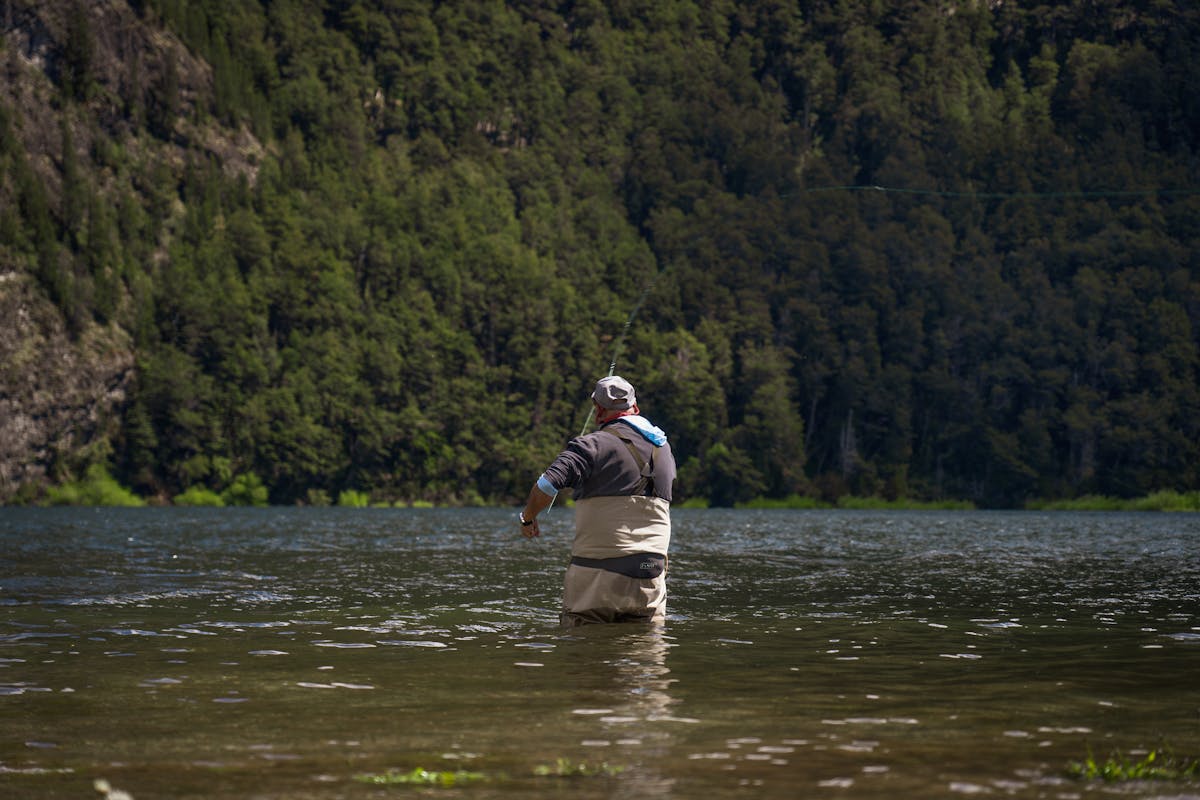
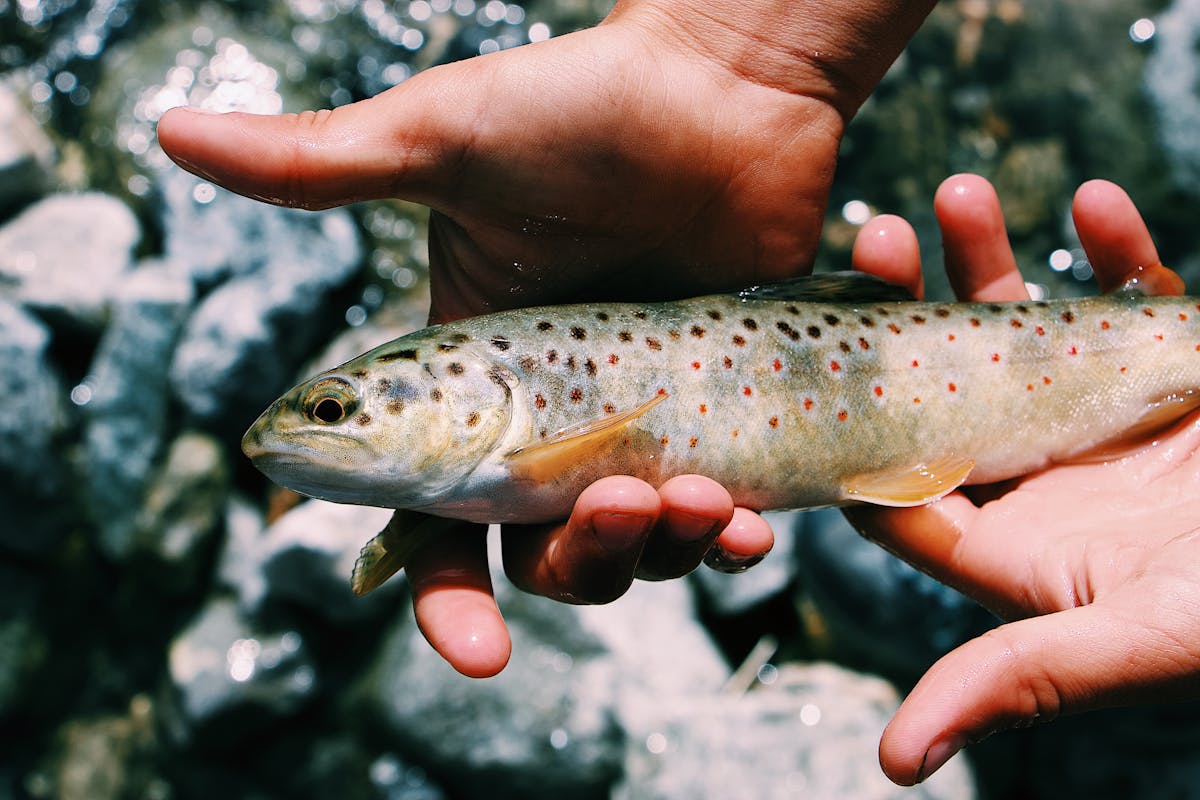
The trout are not native. Brown trout and rainbow trout were introduced to Chilean rivers in the early 1900s — eggs and fingerlings shipped from Germany and the United States, dumped into cold, clean, food-rich rivers with no competing predator species. The trout thrived. Chile's southern rivers — glacier-fed, oxygen-rich, full of insects and crustaceans — turned out to be close to perfect habitat. Today, wild brown trout over 50 centimeters are common in the better rivers. Fish over 60 centimeters show up regularly enough that guides do not treat them as trophies.
The comparison everybody makes is New Zealand, and it is fair. Both countries have introduced trout in pristine cold-water systems, both have strong catch-and-release cultures, both produce big fish in beautiful settings. The difference is crowding. New Zealand's best rivers are well known, well fished, and increasingly managed with limited access permits. Chile's best rivers are still empty. I fished the Rio Baker for three days and saw two other anglers. Total. On the Mataura in New Zealand I would have seen two in the first pool. Montana is the other benchmark — the Madison and the Yellowstone see hundreds of drift boats per day in peak season. In Chile, you can drive an hour on a gravel road and find a river that no one has fished that week.
Rio Simpson — Where Most People Start
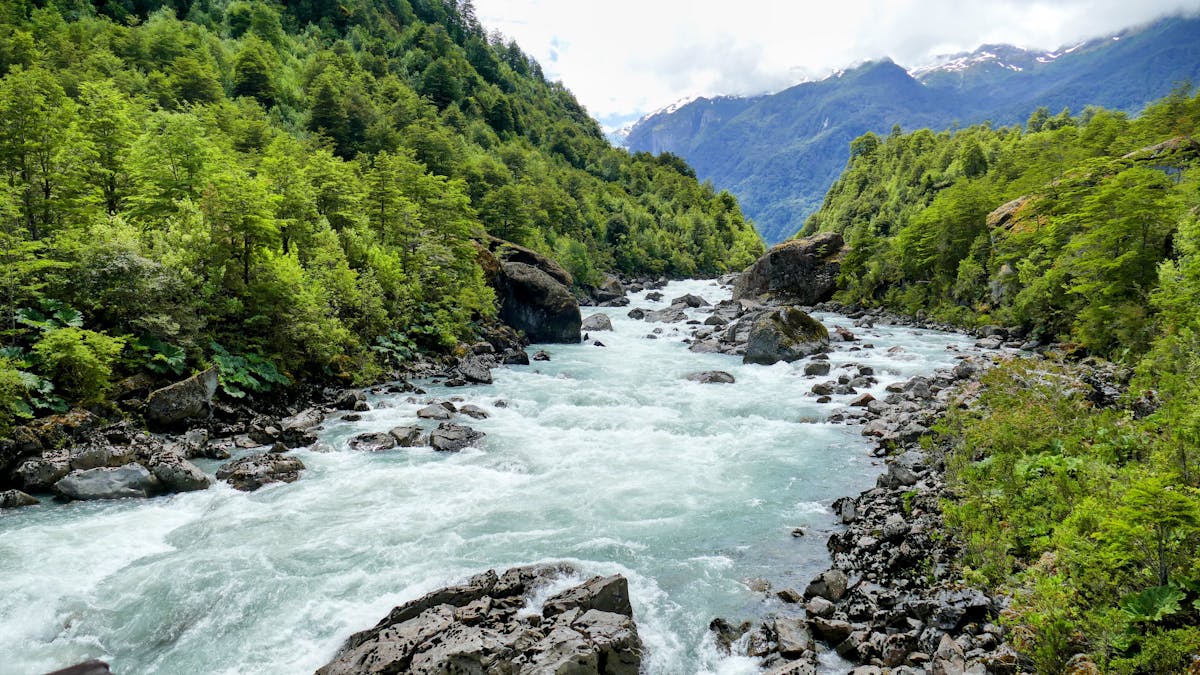
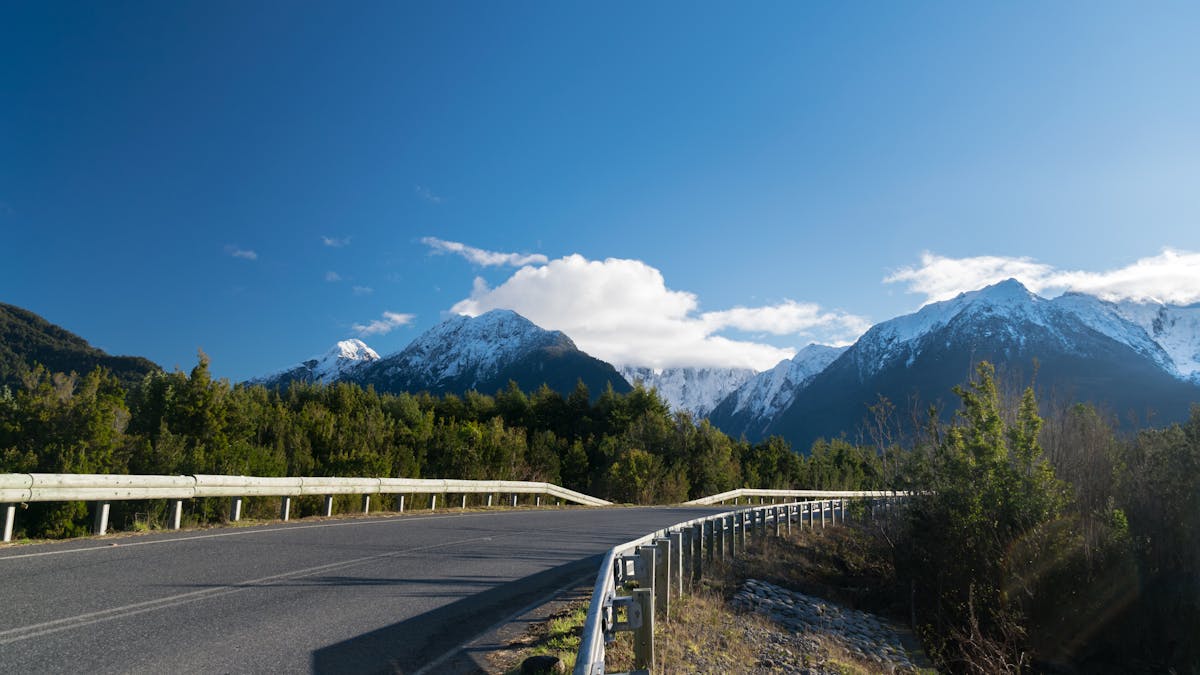
If you fly into Balmaceda airport near Coyhaique, the Rio Simpson is right there. It runs alongside the road from the airport into town, which sounds like it should make it a mediocre fishery — roadside rivers in most countries are hammered. But this is Aysen. The population of the entire region is around 100,000 people. The river gets light pressure even though you can see it from your rental car window.
The Simpson is a medium-sized river with classic pool-and-riffle structure. It fishes well with dry flies from December through March, especially in the evening when caddis hatches can be genuinely thick. I had my best session here on a January evening, standing in a run about a kilometer below the Reserva Nacional Rio Simpson, catching and releasing brown trout between 35 and 45 centimeters on a size 14 elk hair caddis. Nothing huge. But consistent, eager fish in a river I could wade without a guide, five minutes from town.
The Simpson is also the river where most of the Coyhaique-based lodges take their clients for the first day. It is forgiving water — wadeable, readable, with enough fish that even a rough caster (and I was a rough caster that first trip) will connect with something. If you are new to fly fishing in Chile, start here. Build some confidence. Then go south.
Rio Baker — The Big One
The Baker is the river that made me rethink what a trout river could be. It drains Lago General Carrera — the largest lake in Chile, second largest in South America — and it carries more water than any other river in the country. The flow is enormous. Standing on the bank, watching the volume of blue-green water rolling past, my first thought was that there was no way to fish this. It looked like something you would raft, not wade.
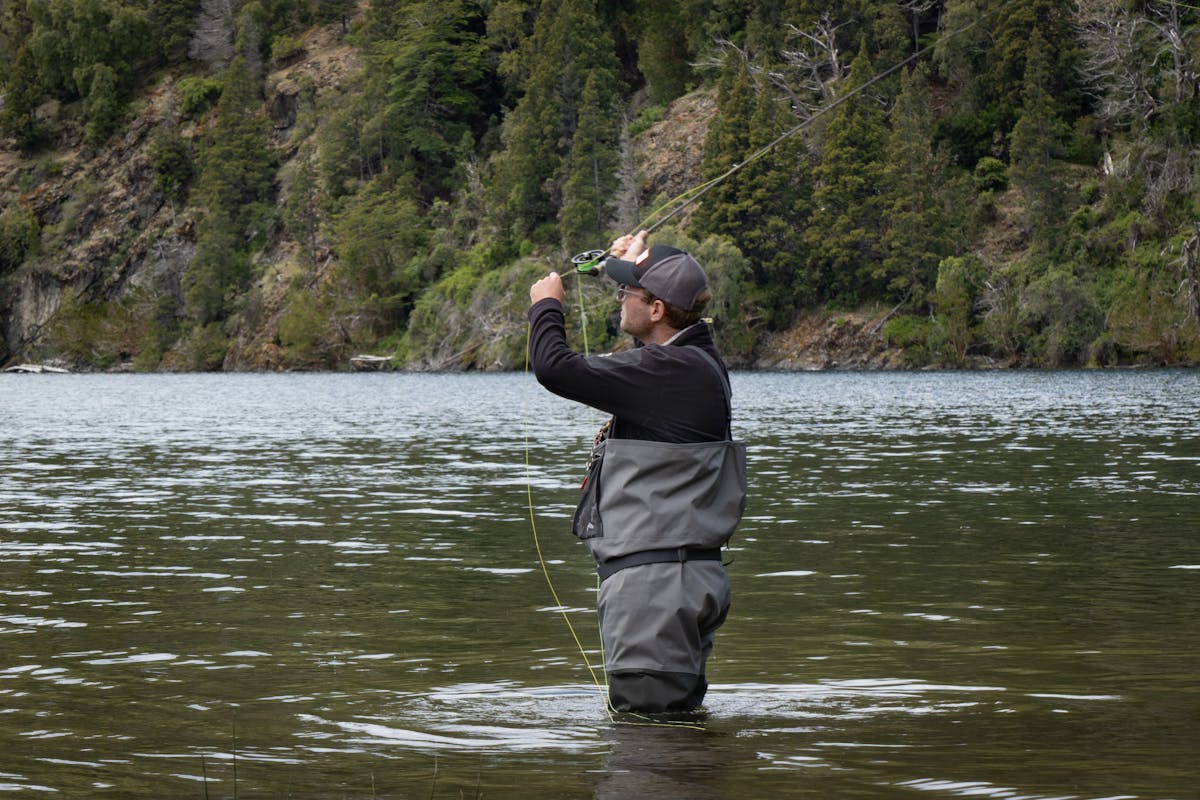
But the Baker has side channels, back eddies, tributary mouths, and braided sections where the water slows enough to hold fish. And the fish it holds are large — 45 to 55 centimeters is a normal fish, and 60-plus-centimeter browns are a realistic possibility on any given day. The river also holds king salmon that run upstream from the Pacific between January and April, though that requires heavier gear.
You need a guide on the Baker. The river is too big and too powerful to wade casually, the best water requires a drift boat, and the weather along the Carretera Austral can turn ugly fast. I fished it out of Cochrane, floating a 15-kilometer section over a full day. We landed eight trout. The smallest was 40 centimeters. The biggest was a brown that measured 58 centimeters and fought like it had somewhere urgent to be. I shook for ten minutes after landing it. The Baker is not a numbers river, but the quality — turquoise water, snow-capped peaks, condors overhead — is hard to match anywhere on earth.
Rio Petrohue — The Lake District Gem
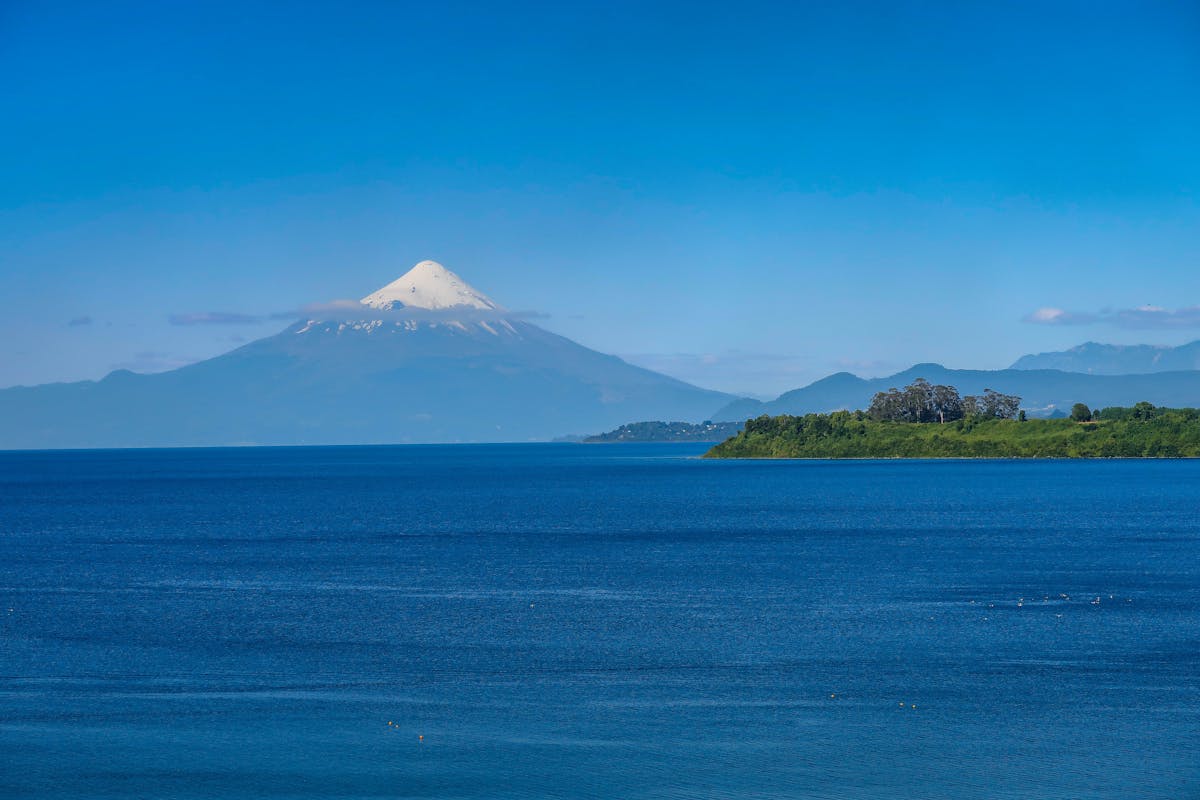
The Petrohue drains Lago Todos los Santos and flows west through the Lake District — fast, clear, cold, with volcanic boulders creating pocket water that holds rainbow trout with a stubbornness that borders on offensive. I hooked a rainbow behind a boulder that ran into the backing, jumped twice, wedged itself behind another boulder and broke me off. Fifteen seconds. The fish won decisively.
The water is clear enough to sight-fish — spot the trout, place the fly upstream, watch the drift. This is technical fishing. Sloppy casts get refused. Drag on the fly gets refused. Frustrating and addictive in equal measure. The upside is logistics: Puerto Varas is right there, with good restaurants, comfortable hotels, and Puerto Montt's airport twenty minutes away. You can fly in from Santiago in the morning and be on the river by afternoon.
Rio Futaleufu and Rio Palena — The Wild Ones
The Futaleufu is famous for whitewater rafting — Class IV and V rapids that draw adrenaline tourists from around the world. What fewer people realize is that above and below the whitewater sections, the Futaleufu is a phenomenal trout river. The water is that unreal turquoise color that looks fake in photographs but is just what glacier-fed rivers look like when the light hits them right. I fished a calm stretch above the town of Futaleufu on a February morning and caught four rainbows in two hours, all between 35 and 45 centimeters, all on a size 12 stimulator pattern that I kept fishing because it kept working.
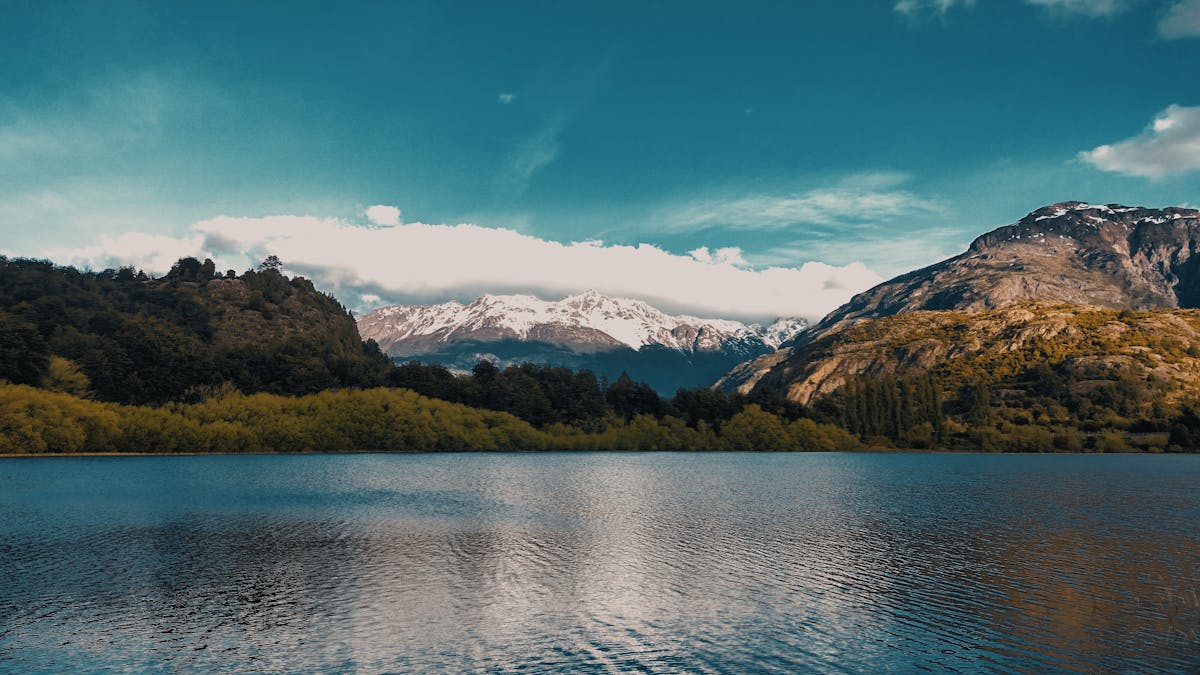
The Rio Palena, further south, is less well known and harder to reach. That is exactly why it is worth the effort. The Palena flows west from the Argentine border through a valley that sees very few anglers. I fished it only once, a half-day session arranged through a guide in Chaiten, and it produced the most consistent dry fly fishing I have experienced in Chile — a steady hatch of mayflies that brought brown trout to the surface all afternoon. The guide told me the river fishes like this most days in January and February. I believe him, because the fish were not spooked. They were feeding confidently, in exposed positions, in the middle of the river. Fish that see a lot of flies do not behave that way.
Getting to the Palena requires either a long drive south from Chaiten or a flight into Chaiten's small airstrip (weather permitting, which is a meaningful caveat in this part of Chile). It is not easy access. But if you are already driving the Carretera Austral, Chaiten is on the route, and budgeting a day for the Palena is a decision you will not regret.
Rio Puelo — Backcountry Without the Commitment
The Puelo flows out of Lago Tagua Tagua through a valley that feels more remote than it is — a few hours south of Puerto Varas by road, but once you are on the river, thick native forest closes in on both banks and the town disappears. I fished it on a drizzly morning when low clouds sat in the valley, and the trout were hitting streamers with a violence that startled me every time. The fish average smaller than the Baker — mostly 30 to 45 centimeters — but the setting and solitude are comparable, and you can fish it as a day trip from Puerto Varas.
Lodge Fishing vs DIY Wading — The Honest Breakdown
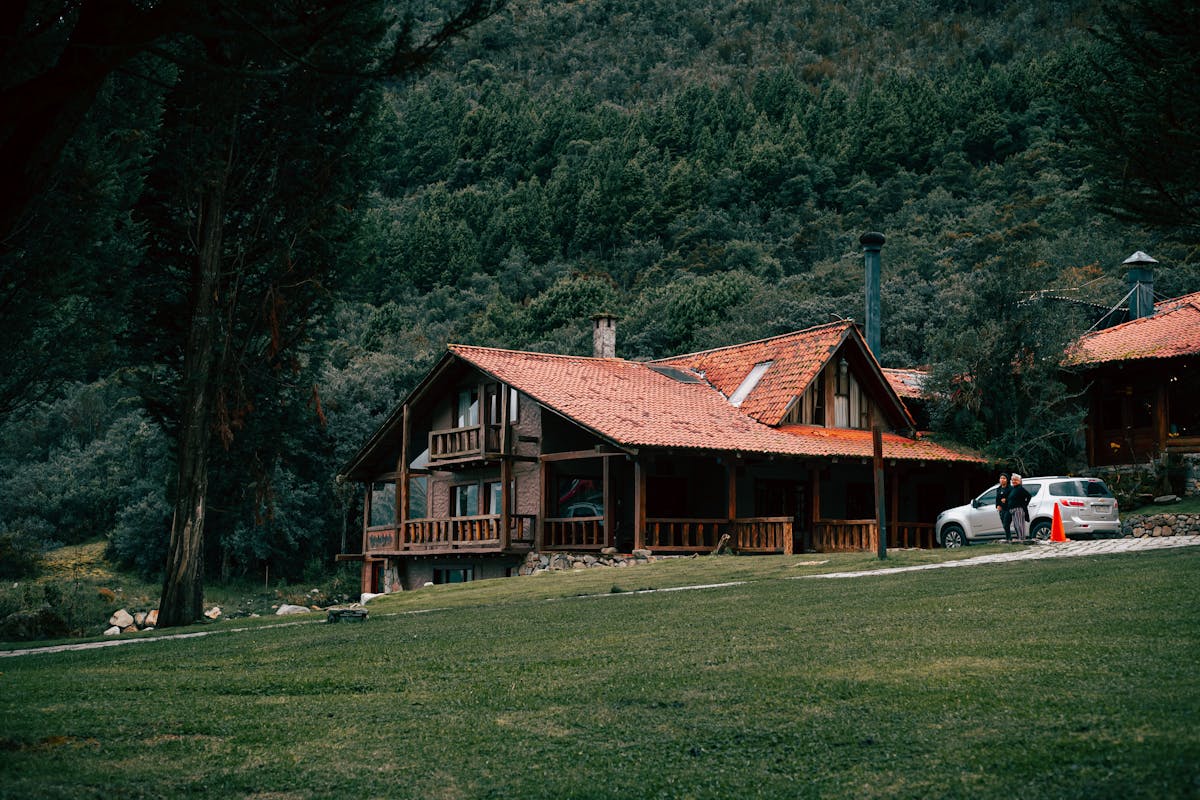
Here is where I have to be straight about money. The guided lodge experience — helicopter drops, private water, gourmet dinners — runs $500 to $800 per person per day. A week at a top-end lodge will cost $4,000 to $6,000. That is New Zealand-level money.
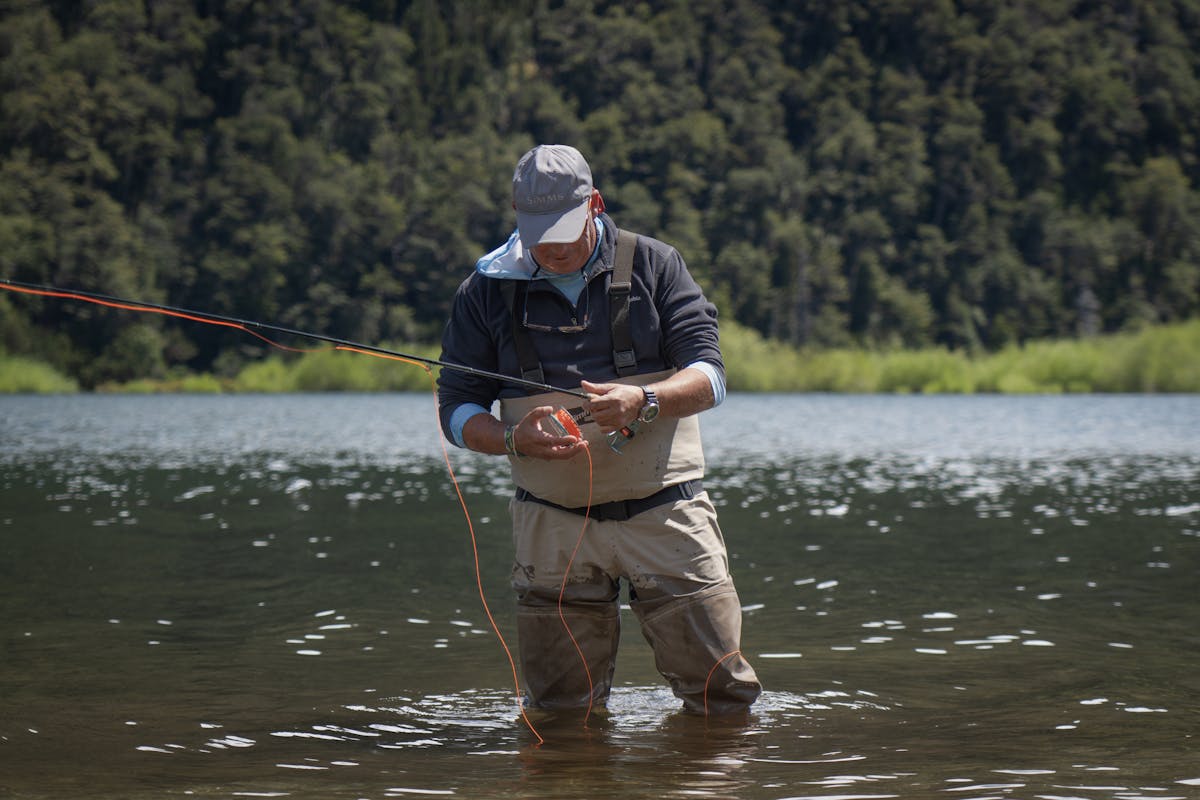
But you do not need a lodge. Chile's water laws grant public access to navigable rivers and their banks. You need a fishing license (available online from SERNAPESCA for $15-25), a rod, and a willingness to figure things out yourself. I have done both. The lodge days produced bigger fish, more fish, and access to water I could not have reached alone. The DIY days cost essentially nothing and the satisfaction of finding a productive pool on my own, without anyone pointing me to it, scratches a completely different itch. Both are good.
A realistic cost breakdown
| Expense | Guided/Lodge | DIY |
| Daily guiding | $300-500/day | $0 |
| Lodge accommodation | Included in package ($150-250/day value) | Hostel/cabin $30-80/night |
| Fishing license | Usually included | $15-25 (multi-day) |
| Gear rental (rod, waders) | Usually included | $30-50/day in Coyhaique |
| Meals | Usually included | $20-40/day |
| Transport/fuel | Usually included | $30-60/day (rental + gas) |
| Daily total | $400-700 | $100-250 |
The sweet spot, I think, is a combination. Book a guide for your first day or two — learn the water, learn what flies are working, learn where the access points are. Then spend the rest of the trip fishing on your own, using what you learned. You get the education without the full-trip price tag.
Season, Weather, and When to Go
The official season runs November through May, but the real window is December through March. Peak fishing is January and February — warmest weather, longest days, most reliable hatches, rivers at wadeable levels. November is early season with high snowmelt flows. April is short days and closing lodges.
A warning: southern Chile is wet. The Aysen region gets 2,000-3,000 millimeters of rain per year. Expect rain on at least half your fishing days, even in peak summer. I have fished in horizontal rain, in hail, in wind strong enough to blow my backcast into the bushes behind me. The fish, on the other hand, often feed more aggressively during and after rain, so do not let a wet forecast keep you off the water.
Gear — What to Bring, What to Rent
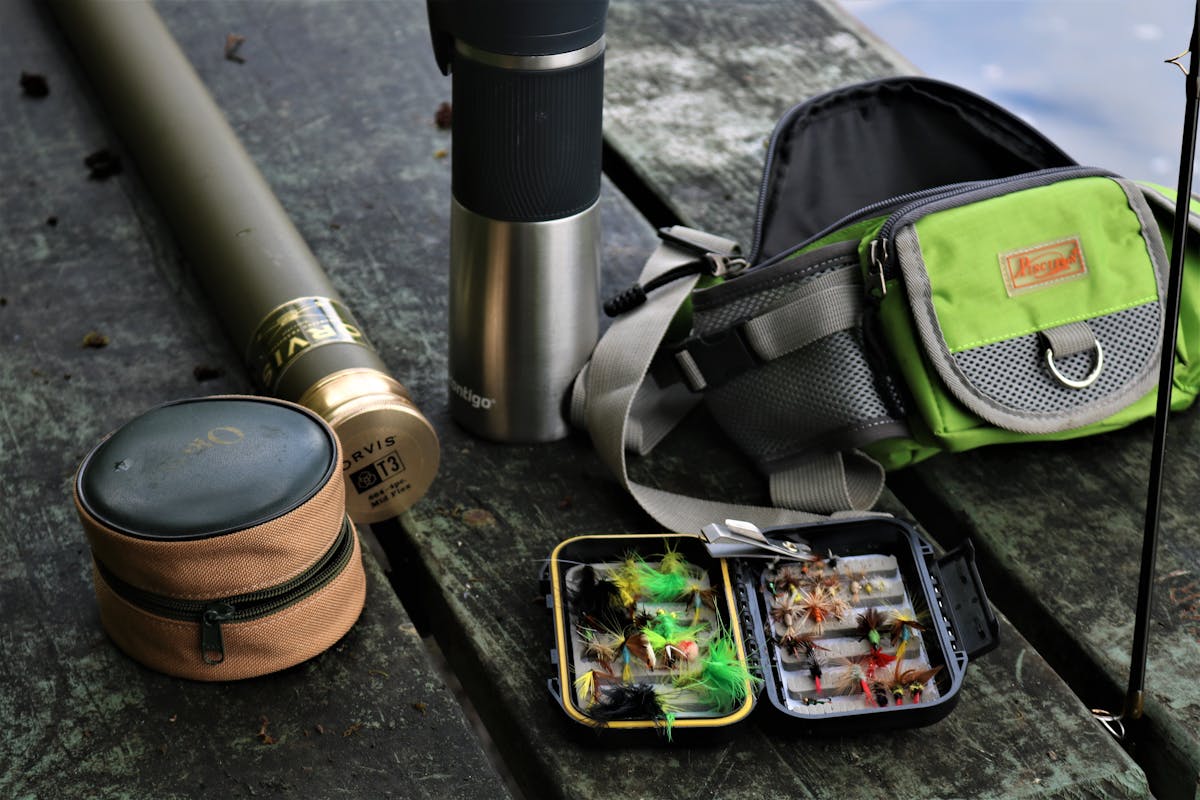
Bring your own rod if you have one. A 9-foot 5-weight handles 90 percent of the fishing. A 6-weight gives more authority on the Baker and Futaleufu when the wind picks up (and the wind always picks up). Waders you can rent in Coyhaique and Puerto Varas for $30-50 per day — functional but not luxurious. If you own a pair that fits well and plan to fish multiple days, bring them. Standing in cold water for six hours in poorly fitting rental waders is miserable.
Flies are where I would not compromise. Bring your own. The fly shops in Coyhaique are improving but still limited compared to Bozeman or Queenstown. The patterns that worked consistently for me:
Fly Box Essentials for Chile
Dries: Elk hair caddis (12-16), stimulators (10-14), parachute Adams (14-18), Royal Wulff (12-14). Nymphs: Hare's ear (12-16), pheasant tail (14-18), copper John (14-16), prince nymph (12-14). Streamers: Woolly bugger in black and olive (6-10), zonker strips in natural rabbit. Bring more than you think you need. The bushes behind you will eat a few.
Other essentials: a rain jacket with sealed seams (not a fashion rain jacket), polarized sunglasses for sight-fishing, sunscreen (the UV this far south is fierce), and a buff for wind protection.
Guides vs Going Independent
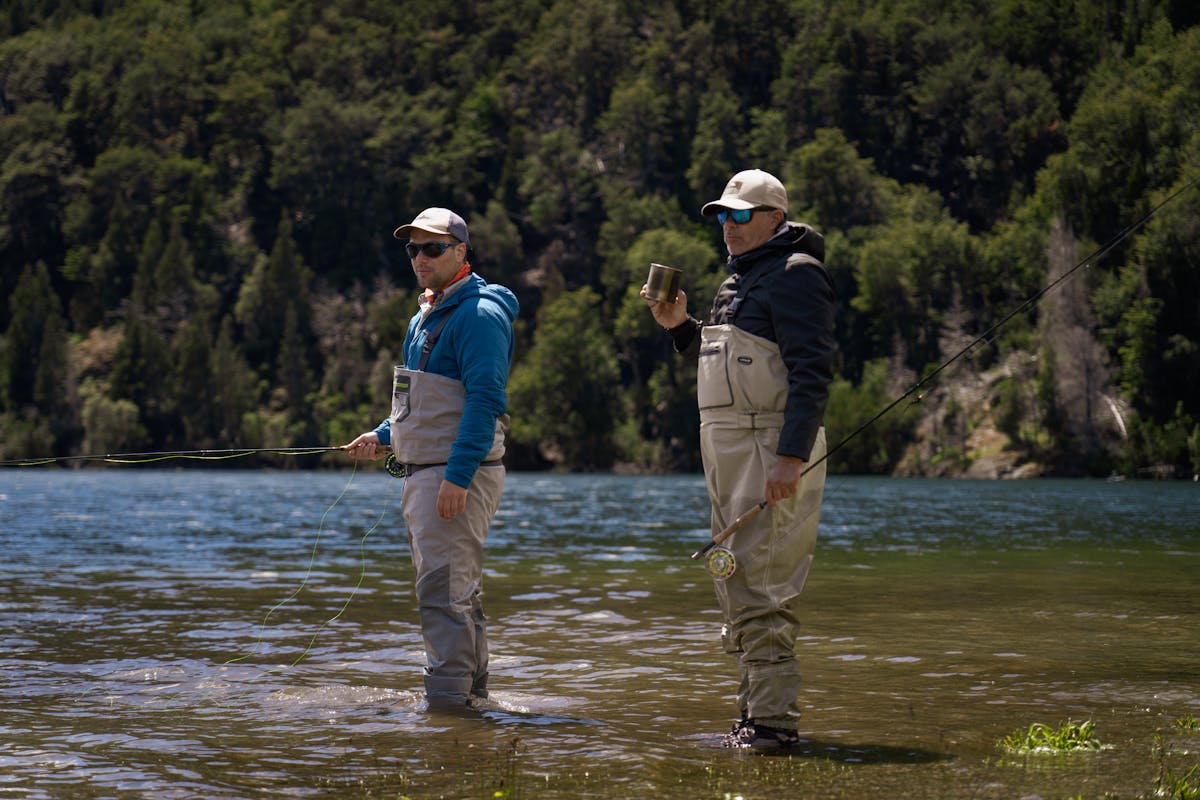
A good Chilean guide does more than point at water and hand you a fly. The best ones I fished with had an unsettling ability to read conditions — water level, temperature, cloud cover, time of day — and know exactly which pools would hold active fish. They adjusted fly patterns mid-drift, changed tactics when the first approach failed, and knew when to move on instead of grinding. That instinct takes years to develop, and renting it for a day is genuinely valuable.
Going independent works if you already have fly fishing experience. I spent one full DIY day on a river near Coyhaique and caught nothing until 4pm, when I figured out the fish were stacked in a deep cut bank on the far side of a run I had been walking past all day. Six hours of learning that a guide would have compressed into six minutes.
For your first trip, book a guide for at least two days. Budget $300-500 per day, which typically includes transport, lunch, and gear. The rest of the days, use what you learned and explore on your own. Fishing licenses are easy to get online.
Regulations and Fishing Culture
Chile has shifted hard toward catch-and-release over the past two decades — stronger culture around it than Argentina, where keeping fish is still common. Most guided operations are strictly catch-and-release. Even on public water, the anglers I encountered were releasing everything.
You need a fishing license from SERNAPESCA, available online for 10,000 to 20,000 Chilean pesos ($10-25 USD) depending on duration. Carry the printed license. I was checked once in four trips, near the Rio Simpson, by a ranger who was polite about it. Some rivers have specific regulations — fly-only restrictions, closed sections during spawning. Check the SERNAPESCA website before you fish, especially if going independent.
Quick Tip
Handle fish with wet hands, use barbless hooks (or pinch your barbs), and keep the fish in the water during photos. The culture in Chile takes this seriously, and so should you. These wild populations are what make the fishing exceptional — they are worth protecting.
Getting There and Getting Around
The main hub for Patagonia fly fishing is Coyhaique, served by Balmaceda airport with daily flights from Santiago. For the Lake District rivers, fly into Puerto Montt — Puerto Varas is a 20-minute drive and makes a comfortable base.
You need a car. Rent a pickup or high-clearance SUV — the gravel roads along the Carretera Austral punish sedans. Budget $60-100 per day for a rental plus fuel. Getting around Chile by car gives you the flexibility to chase fish wherever conditions are best.
A Patagonia fishing itinerary could look like this: fly into Puerto Montt, fish the Petrohue and Puelo for two or three days, drive south on the Carretera Austral through Chaiten (Futaleufu and Palena), continue to Coyhaique (Simpson), and push south to Cochrane for the Baker. Ten to fourteen days, covering the full range from accessible Lake District water to remote Patagonian backcountry.
Is It Worth the Trip?
I keep going back. Chile is not cheap to fish — the flights are long, the guided days are expensive, the weather will test you. But the rivers are uncrowded in a way that is becoming genuinely rare in the fly fishing world. The fish are wild and strong. The scenery makes you stop mid-cast and just stare.
If you have done Montana and New Zealand, Chile is next. If you are a beginner who wants to learn in one of the most beautiful classrooms on earth, book a guide on the Rio Simpson and bring an open mind. The fish will do the rest.