This article contains affiliate links. If you book through them, I earn a small commission at no extra cost to you.
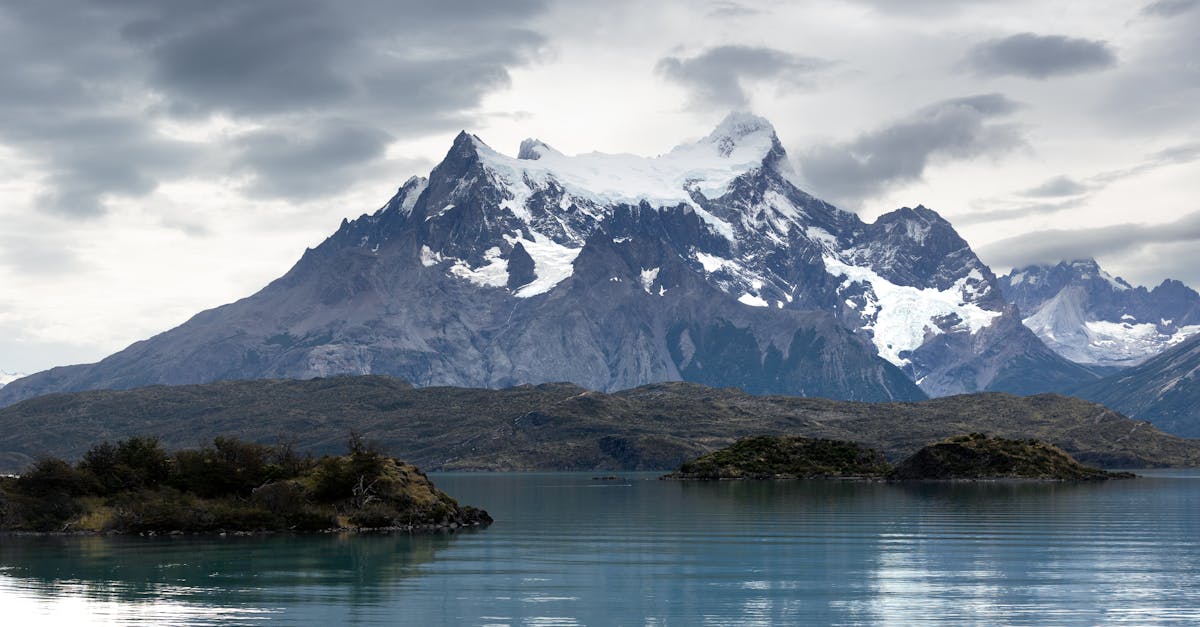
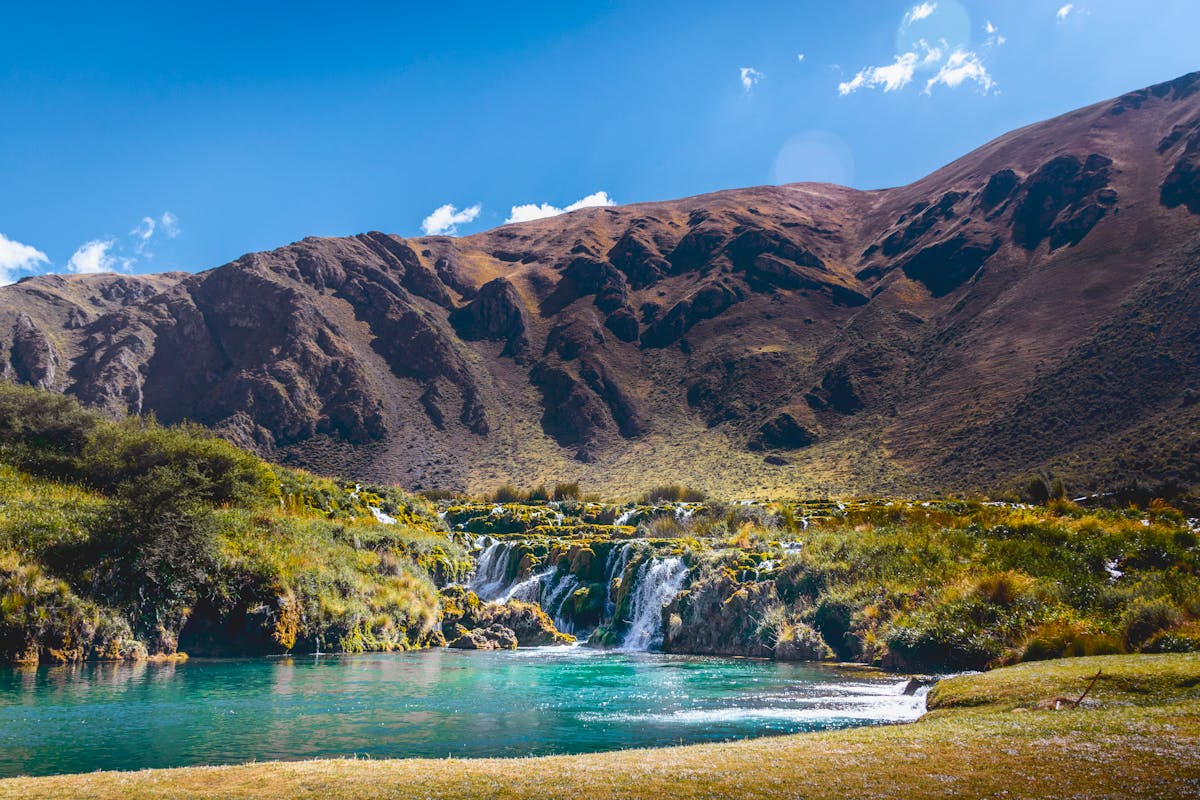
The temperature dropped ten degrees in forty minutes. I had left Santiago in a t-shirt, sweating through the morning haze that sits over the city most of October, and now I was zipping my jacket closed and watching my breath form little clouds in front of me. The road had narrowed to a single lane of gravel carved into the side of a cliff, the Maipo River was a thin grey ribbon hundreds of meters below, and the peaks on either side had gone from dusty brown to streaked with snow. Then the road crested a final ridge, and there it was — Embalse El Yeso, a reservoir so impossibly turquoise that I actually laughed out loud. Not a polite chuckle. A full, involuntary laugh, because my brain could not reconcile that color existing in a landscape this barren.
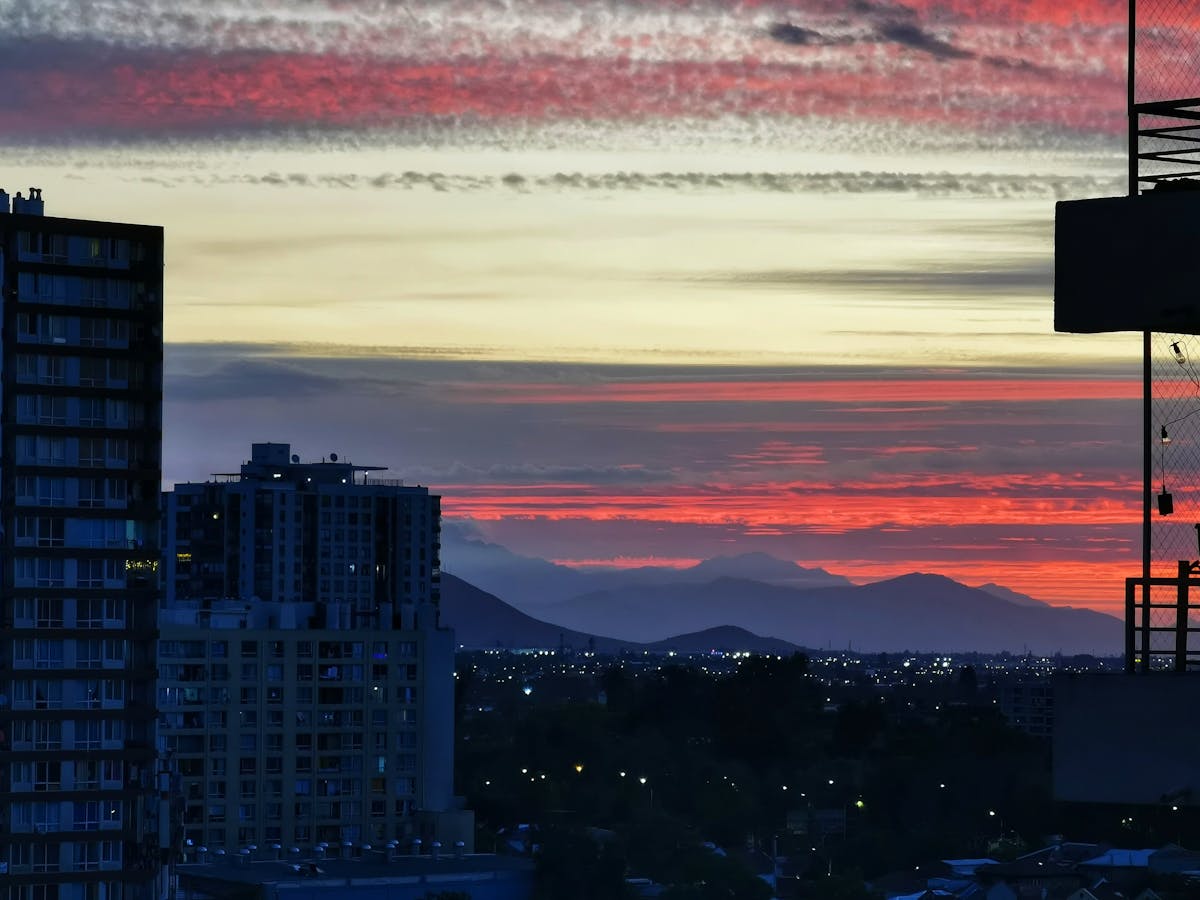
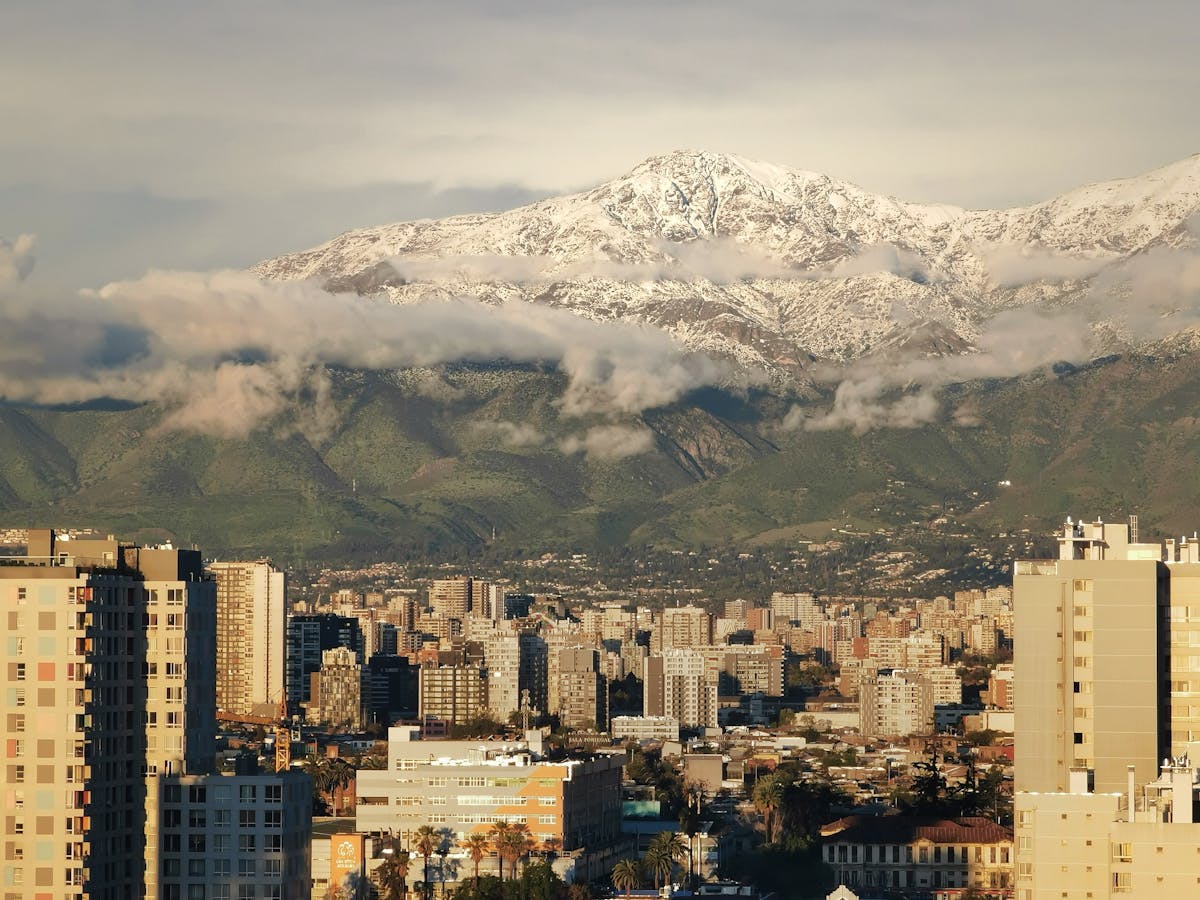
I was ninety minutes from the center of a city of seven million people. That is Cajon del Maipo in a sentence — the Andes at their most dramatic, hiding just behind Santiago's eastern suburbs, close enough for a half-day trip but deep enough to feel like you crossed into a different country.
The Drive Into the Canyon (Half the Experience)
Most Santiago day trips have a boring commute attached to them. Valparaiso is ninety minutes of flat highway. The ski resorts are switchback after switchback of identical mountain road. Cajon del Maipo is different. The drive is the experience, or at least the first act of it, and it starts being interesting almost immediately.
You leave Santiago heading southeast, through Puente Alto — the last stop on Metro Line 4 — and within fifteen minutes the apartment blocks disappear and the canyon walls close in. The Maipo River runs along the bottom, green and cold, and the road climbs through San Jose de Maipo (gas stop, supplies) before pushing deeper into a valley where vegetation drops away until it is just rock, river, and sky.
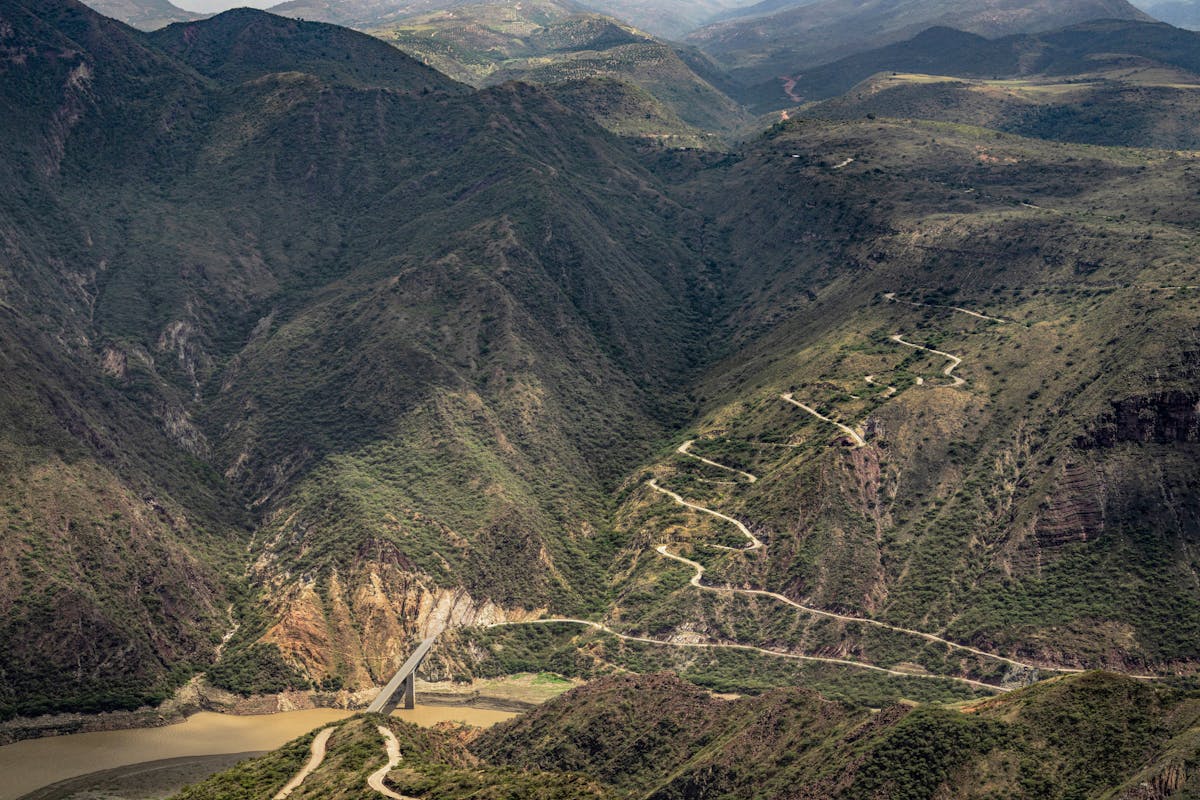
I did this drive with a rented car, which in hindsight was bold. The road to the reservoir turns to gravel, gets narrow enough that passing another vehicle requires one of you to reverse, and has no guardrails above sheer drops. If you are not comfortable with mountain driving, take a tour or hire a local driver. But the payoff is that every turn reveals something new — a waterfall cutting through black rock, a condor riding a thermal, abandoned mining buildings slowly being reclaimed by the mountain.
Embalse El Yeso — The Photo Everyone Comes For
Embalse El Yeso is, technically, a water reservoir built in the 1960s to supply Santiago's drinking water. I mention this because when you stand at the shoreline looking at that ridiculous, photoshopped-looking turquoise water backed by 4,000-meter peaks, you would swear you were at some sacred Andean lagoon three days of trekking from civilization. The gap between what it is and what it looks like is genuinely disorienting.
The color comes from glacial rock flour — tiny particles of ground-up rock suspended in snowmelt. The effect is strongest on clear mornings before wind kicks up. I arrived around 10am and had about ninety minutes of perfect conditions before afternoon clouds dulled everything. There is no formal trail — you park, walk to the water's edge, and pick your way along the shoreline. I walked forty-five minutes along the northern shore and found spots where I was completely alone. That silence at 2,500 meters is the real reason to come here. The turquoise is the hook, but the silence stays with you.
Altitude Warning
Embalse El Yeso sits at roughly 2,500 meters. If you flew into Santiago the same day, give yourself at least one night at sea level before coming up here. Drink water constantly. The altitude combined with wind and sun exposure can knock you flat faster than you expect. I saw two people in obvious distress on my visit — headaches, nausea — and both had arrived in Santiago that morning from Buenos Aires.
Rafting the Maipo River (The Adrenaline Option)
I almost skipped the rafting because it felt like a tourist trap — every hostel in Santiago has flyers for Maipo River rafting and I assumed it would be tame, overpriced, and full of gap-year kids screaming for Instagram. I was wrong about the tame part. I was right about the screaming.
The Maipo runs Class III and IV rapids through the lower section of the canyon, roughly between San Jose de Maipo and San Alfonso. The water comes straight off the glaciers and is breathtakingly cold — the kind of cold where your hands stop working properly if they stay submerged for more than a few seconds. Our guide handed out wetsuits and I was grateful for every millimeter of neoprene.
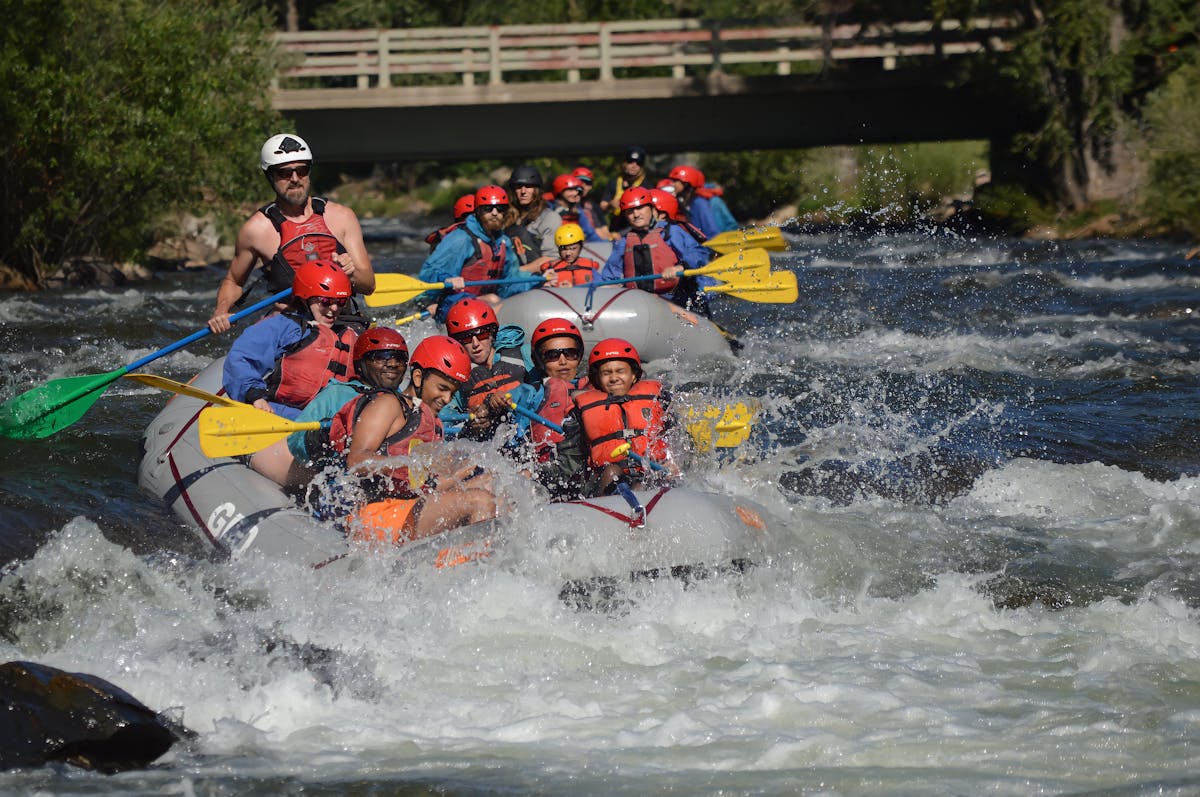
The run takes about two hours on the water, with calm stretches between rapids where you can appreciate the canyon walls. I fell out once in a rapid called La Lavadora (The Washing Machine), got pulled back in, and spent the rest of the trip with a death grip on the safety rope. Operations pick you up from Santiago and have you back by mid-afternoon. I would not combine rafting and the reservoir in one day — sounds good in theory, but my arms were finished after two hours of freezing whitewater.
Banos Morales — Hot Springs the Hard Way
Chile has extraordinary hot springs, and the ones at Banos Morales sit at the far end of the valley, past the reservoir turnoff, up a road that makes the El Yeso route look like a highway. Set expectations: no spa, no changing rooms, no fluffy towels. Banos Morales is a tiny settlement at 1,850 meters where thermal water seeps into rough stone pools that somebody cemented together at some point.
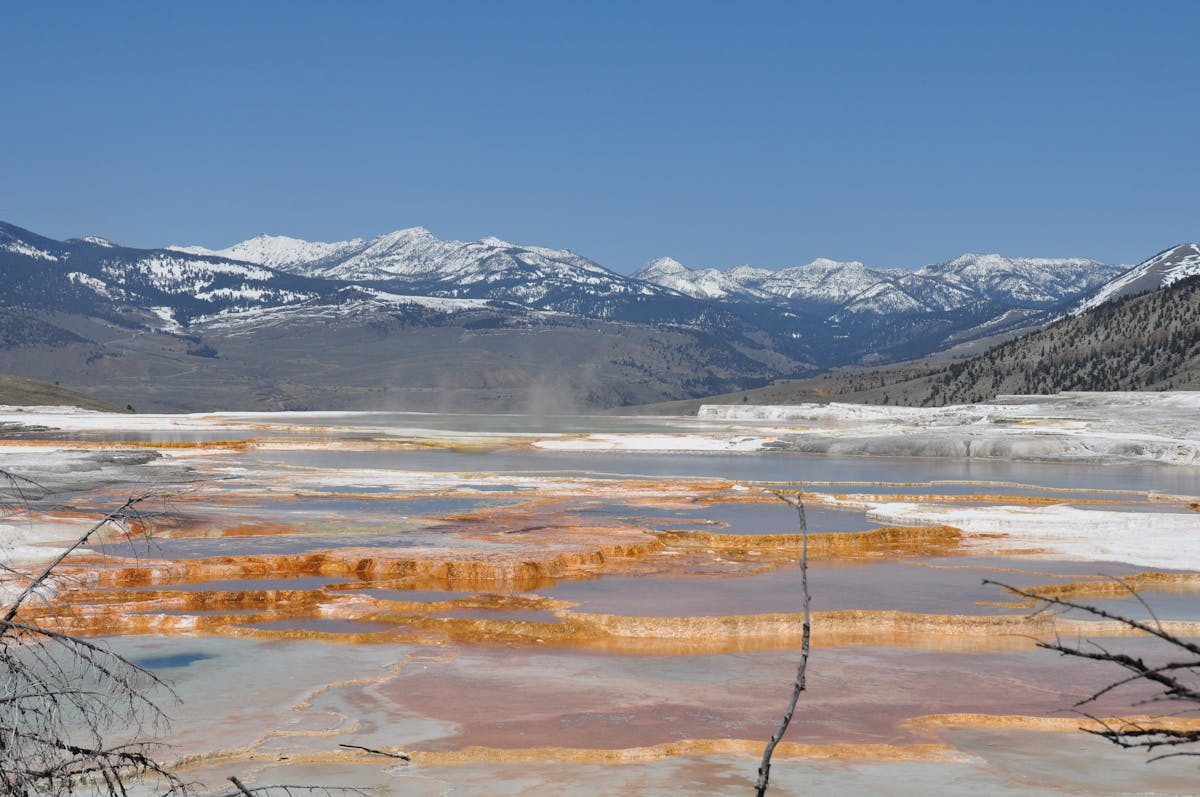
The water is warm rather than hot — 30 to 35 degrees — and the setting is raw. Mountains on every side, the only sound the nearby river and the occasional horse. I soaked for an hour, alternating between warm pools and a freezing stream alongside them. Restorative in a punishing sort of way.
Getting there is the challenge. The road past San Gabriel requires high clearance and is restricted at certain times of year. Summer tour operators sometimes include Banos Morales — that is the easiest option. Driving yourself, ask about conditions in San Jose de Maipo first.
El Morado Glacier — The Hike That Earns Its Views
For the hikers reading this, the Monumento Natural El Morado is the reason to come to Cajon del Maipo. It is a protected area near Banos Morales with a trail that climbs steeply to a glacier-fed lagoon at roughly 2,400 meters, with the San Francisco glacier hanging above it like a frozen waterfall.
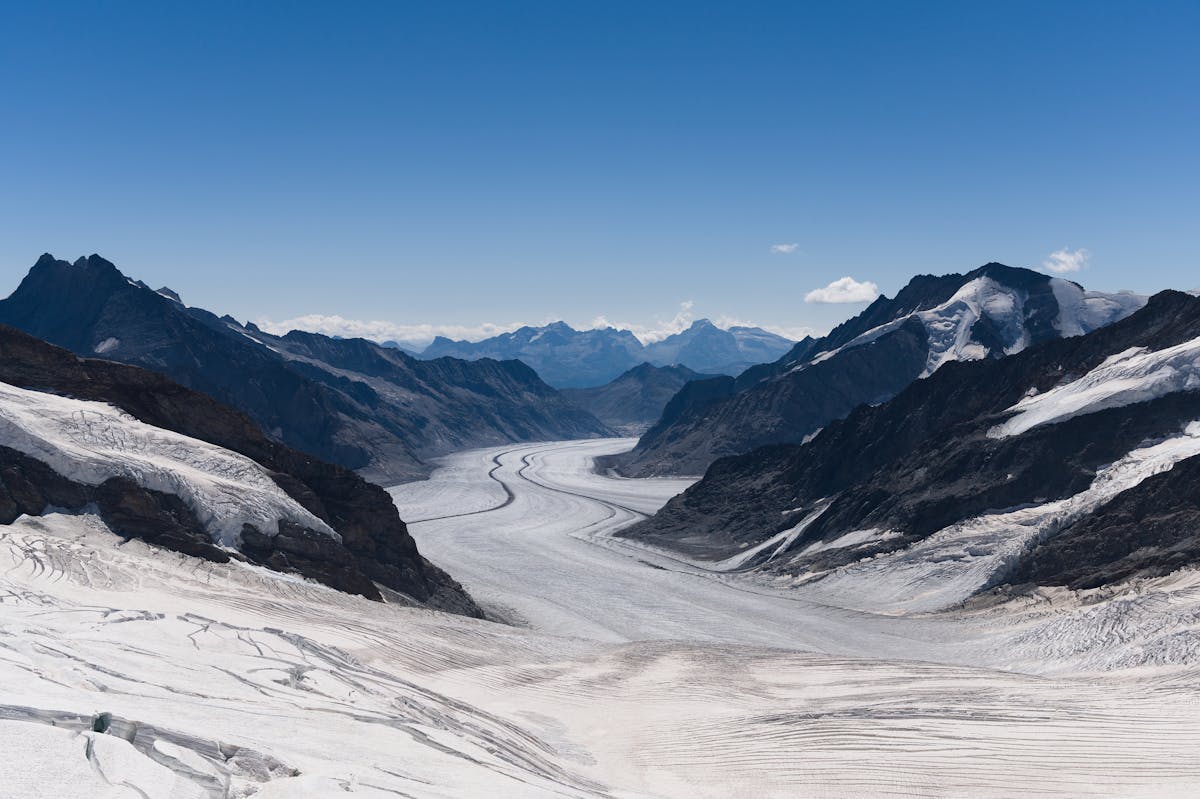
The hike is about 8 kilometers round trip, four to five hours depending on fitness. The trail climbs through a narrow valley alongside a creek, opens up above the treeline into rock and scree, and the glacier appears gradually — first a white smear, then growing in scale until you reach the lagoon and realize how massive it actually is.
I did this hike in November, early season. There was still snow on the upper trail and I was glad I had proper boots rather than the sneakers I saw some people attempting. The glacier was calving — small pieces breaking off with a crack that echoed around the valley. I sat on a rock for forty minutes watching it happen, eating my packed sandwich, and that was one of the best hours I spent in Chile. CONAF charges about 5,000 CLP entrance. Go early — I started at 8am and had the lagoon mostly to myself.
Ziplines, Horseback Rides, and Everything Else
The canyon has turned into a full adventure hub. Canopy ziplines cross near Cascada de las Animas — I did one about 300 meters long with views straight down to the river that made my stomach drop. Horseback riding runs through the lower valleys. Climbing and bouldering spots are scattered everywhere, though you need your own gear or a guide. Pick two activities per visit — the reservoir plus a hike, or rafting plus hot springs — and do them properly. The canyon rewards slow exploration, not checklists.
Roadside Empanadas (a Section This Deserves)
I am giving the empanadas their own heading because they earned it. Along the road between San Jose de Maipo and San Alfonso, small stands serve empanadas de horno — baked in wood-fired clay ovens built into the hillside — with a crust that shatters when you bite into it and a filling that has been stewing for hours. Not the same as the empanadas de pino in Santiago (see our Chilean food guide for those).
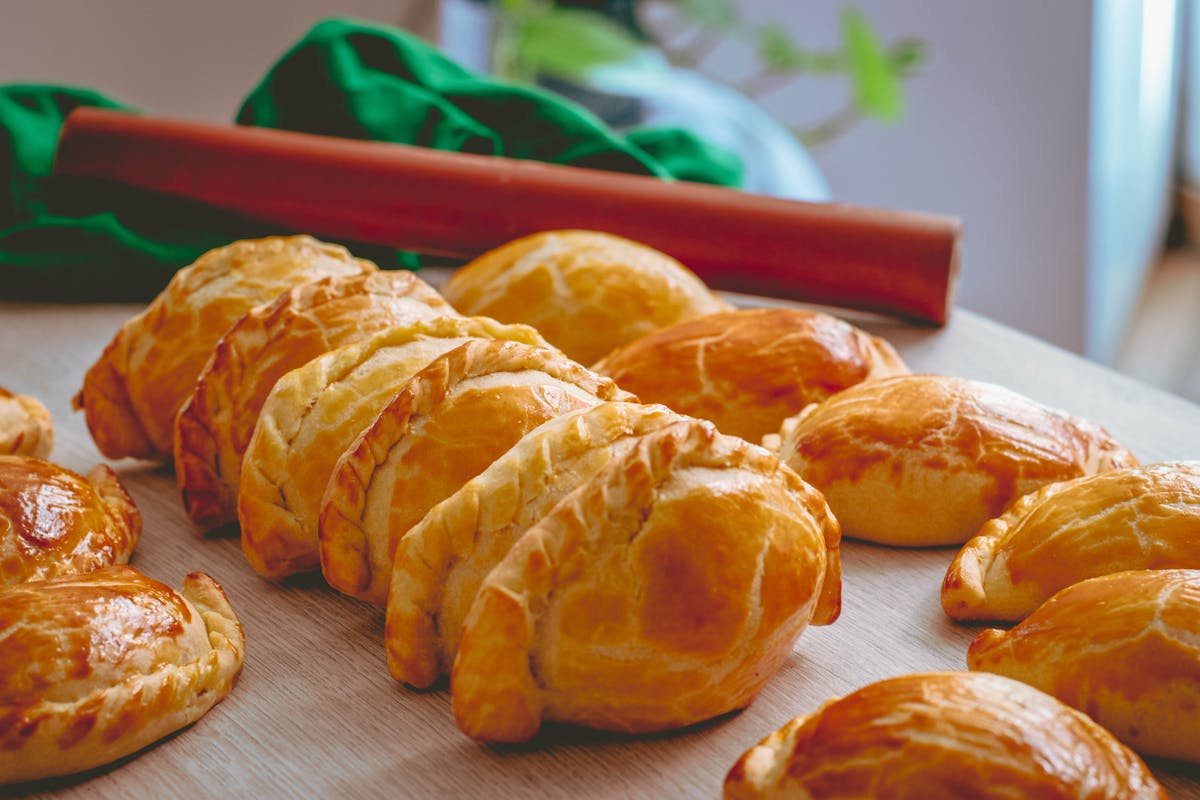
I stopped at a place with no name — just a hand-painted sign that said EMPANADAS and a woman tending the oven — and ate two empanadas de queso (cheese) and one de pino (beef, onion, egg, olive) that collectively cost less than 5,000 CLP. Sat on a plastic chair with the river fifteen meters away, dogs sleeping under the table, condors circling overhead, and decided this was the best lunch I had eaten in Chile. Possibly an exaggeration born of altitude and hunger, but I stand by it.
Cash only at every roadside stand I found. The ATM in San Jose de Maipo is unreliable. Bring pesos from Santiago.
Wine in the Canyon — Yes, Really
The lower Maipo Valley, before the canyon narrows, is part of the broader Maipo wine region — one of Chile's oldest. A handful of boutique wineries between Puente Alto and San Jose de Maipo offer tastings, and stopping at one on the way back makes for a perfect transition between mountain adventure and Santiago evening.
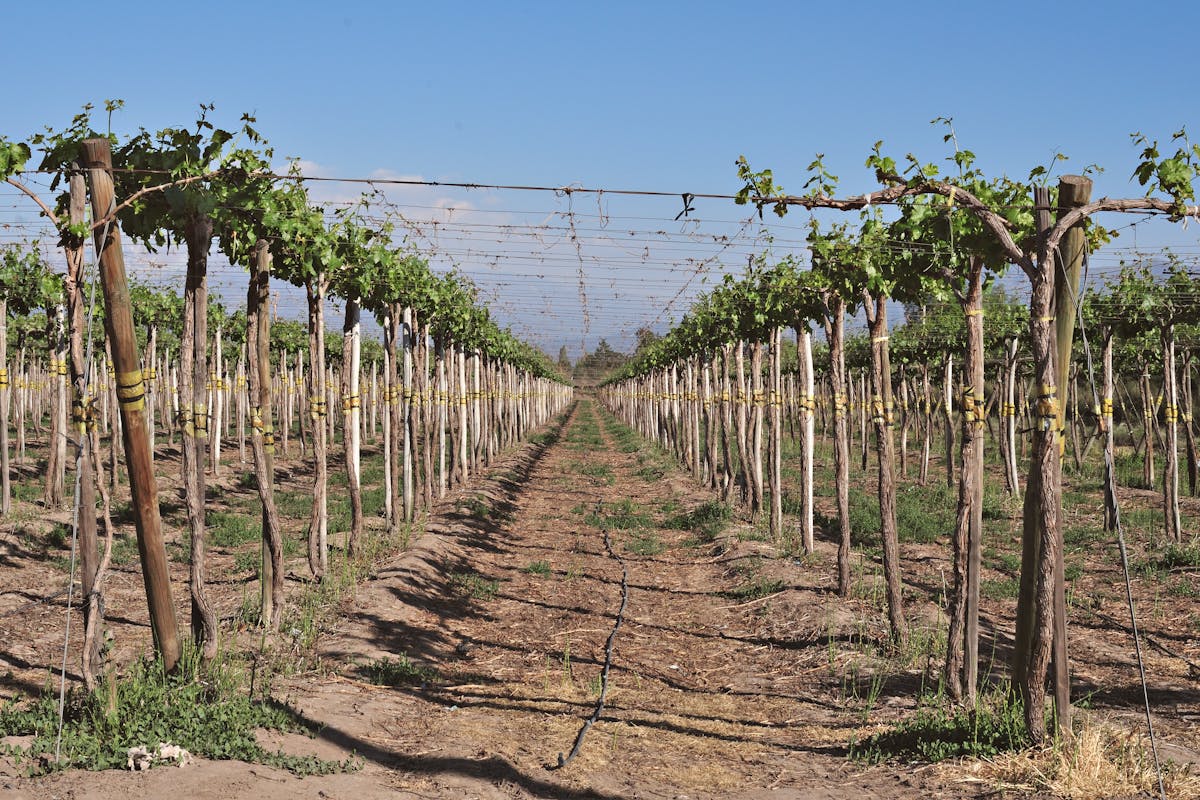
I spent an hour tasting four wines at a small family vineyard for about 8,000 CLP. The Cabernet Sauvignon from the upper valley has a mineral quality — sharp, almost stony — from the rocky soil and wild temperature swings at this elevation. I bought two bottles and drank one that evening on the hostel rooftop watching the sun go down behind the Andes, which felt like the correct way to close out a day that started with turquoise water and freezing wind.
How to Get There (and Whether to Drive)
You have three options, and which one makes sense depends on your comfort level and budget.
Organized tour: Full-day trips from Santiago to El Yeso run $40-60 USD per person on Viator or GetYourGuide. Easiest option, but you are on someone else's schedule.
Hire a driver: My recommendation for most people. Hotels arrange a driver for 40,000-60,000 CLP for the day. You set the itinerary and they know every empanada stand worth stopping at.
Rent a car: What I did. Rewarding but not for everyone — gravel roads, no guardrails, tight passing situations. Any car with decent clearance handles it in dry conditions, but after rain, forget it. For more on driving, see our getting around guide.
Public transport reaches San Jose de Maipo (colectivos from Puente Alto, cheap and frequent) but not the reservoir or Banos Morales.
Quick Tip
If driving, fill up in Puente Alto. There is a gas station in San Jose de Maipo but nothing beyond it. Cell service disappears about thirty minutes past San Jose, so download offline maps before you leave Santiago. Google Maps offline works perfectly for this route.
When to Go (and When to Stay Away)
Season runs October through April, with December through March as the sweet spot — long days, warm lower canyon, road to El Yeso reliably open. Skip winter (June through August): the reservoir road closes with snow, Banos Morales becomes inaccessible, rafting shuts down. Shoulder months (October, April) mean fewer crowds but snow on upper trails and unpredictable road conditions. I visited in October and had the reservoir nearly to myself.
Go midweek if you can. On weekends, every Santiaguino with a car drives up the canyon. The reservoir area, which feels vast and empty on a Tuesday, turns into a parking lot on a Saturday.
What It Costs
| Tour to Embalse El Yeso (group) | $40-60 USD / person |
| Private driver for the day | 40,000-60,000 CLP ($45-65 USD) |
| Rental car (compact, daily) | 25,000-40,000 CLP ($28-45 USD) |
| Rafting half-day | 30,000-45,000 CLP ($33-50 USD) |
| El Morado park entrance | ~5,000 CLP ($5.50 USD) |
| Empanadas (roadside, each) | 1,500-2,500 CLP ($1.50-2.75 USD) |
| Wine tasting (per person) | 6,000-12,000 CLP ($7-13 USD) |
| Colectivo Santiago to San Jose de Maipo | ~1,500 CLP ($1.65 USD) |
A full day in the canyon — transport, food, one activity — runs about $60-80 USD if you are being reasonable. You can do it for less if you take public transport to San Jose de Maipo and hike from there. You can spend more if you combine rafting, a wine tasting, and a private driver. Either way, it is one of the best value day trips from any major South American city.
The Case for a Full Day
Tour operators advertise half-day trips to Embalse El Yeso, and technically they work — up, photos, back for a late lunch in Santiago. But that misses the point. The canyon changes character every few kilometers, with food, wine, hot springs, and trails scattered through it.
Leave early. Empanadas on the way up. Morning at the reservoir or on the El Morado trail. Lunch in San Alfonso. Rafting or hot springs if you still have energy. A winery on the way back. Arrive in Santiago at sunset with dirt on your boots and a bottle of Cabernet in the back seat. That is a full day in the Cajon del Maipo, and it is one of the best days I spent in Chile.